Buy renthhh.com ?
We are moving the project
renthhh.com .
Are you interested in purchasing the domain
renthhh.com ?
domain@kv-gmbh.de · 0541-91531010
Buy renthhh.com ?
How can you avoid reheating canned food?
To avoid reheating canned food, you can try to plan your meals in advance and only open a can when you are ready to eat the entire contents. This way, you can avoid having leftovers that need to be reheated. Additionally, you can try to use smaller cans or portion out the contents of larger cans into smaller containers to minimize the amount of leftovers. Finally, you can also consider using canned food in cold dishes or salads to avoid the need for reheating. **
Why do potatoes taste weird after reheating?
Potatoes can taste weird after reheating because the process of cooling and reheating can cause the starch in the potatoes to undergo a physical change known as retrogradation. This can lead to the potatoes becoming grainy, dry, and less flavorful. Additionally, reheating potatoes can also cause the natural sugars in the potatoes to caramelize, which can alter their taste and texture. To minimize these effects, it's best to store and reheat potatoes properly, such as by storing them in an airtight container and reheating them gently to avoid overcooking. **

Similar search terms for Reheating
Top-Angebote
Products related to Reheating:
-
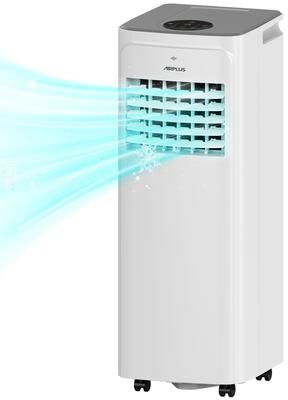
/ Portable Air Conditioner, Compact Space-Saving Design for Bedrooms, Apartments, Offices & Dorm Rooms,Cooling Only.Stay cool and comfortable wherever you need it with this portable air conditioner, designed to deliver efficient cooling, convenient mobility, and user-friendly operation for modern living spaces.385,49 $*Shipping: 0,00 $Secure redirect to the provider

-
Is constant reheating more expensive than continuous heating?
Constant reheating is generally more expensive than continuous heating. When you continuously heat a space, the energy is used consistently and efficiently to maintain the desired temperature. On the other hand, constant reheating requires the heating system to work harder and use more energy to bring the space back to the desired temperature each time it cools down. This can lead to higher energy costs and inefficiency in the long run. Therefore, continuous heating is usually a more cost-effective option. **
-
How are pasta and pesto served separately for reheating?
To reheat pasta and pesto separately, first, store the cooked pasta in an airtight container in the refrigerator. Store the pesto in a separate airtight container. When ready to reheat, place the pasta in a microwave-safe dish with a little water to prevent it from drying out. Heat the pasta in short intervals, stirring in between until it reaches the desired temperature. Reheat the pesto separately in a saucepan over low heat, stirring occasionally until warmed through. Serve the reheated pasta and pesto together when both are heated to your liking. **
-
Which lunchbox is suitable for reheating food on the go?
A lunchbox with a microwave-safe container and a tight-sealing lid is suitable for reheating food on the go. Look for a lunchbox that has a removable microwave-safe container that can be easily heated in a microwave and then placed back into the lunchbox for transport. Additionally, a leak-proof and insulated lunchbox will help keep the food warm and prevent any spills while on the go. **
-
Is there no way to keep rolls warm without reheating them?
Yes, there are ways to keep rolls warm without reheating them. One common method is to wrap the rolls in a clean kitchen towel or aluminum foil and place them in a preheated cooler or insulated container. Another option is to place the rolls on a baking sheet and cover them with a damp towel before placing them in a warm oven (around 200°F) for a short period of time. These methods help retain the warmth of the rolls without drying them out or overcooking them. **

Will bacteria such as salmonella be killed when reheating food in the microwave?
Yes, bacteria such as salmonella can be killed when reheating food in the microwave. The high heat generated by the microwave can effectively kill bacteria, including salmonella, as long as the food is heated to the appropriate temperature. It is important to ensure that the food is heated evenly and reaches a temperature of at least 165°F (74°C) to kill any harmful bacteria present. Additionally, it is important to follow proper food safety guidelines when reheating food to minimize the risk of foodborne illness. **
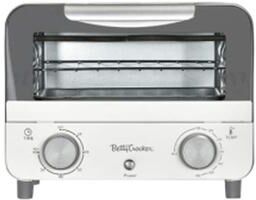
I am looking for a small oven that is only suitable for reheating bread rolls.
I would recommend looking for a toaster oven that is specifically designed for toasting and reheating small items like bread rolls. Toaster ovens are compact and efficient for reheating bread products, and they often have settings specifically for toasting and warming bread. Look for a toaster oven with a small capacity that will fit your bread rolls comfortably and has simple controls for easy reheating. **
Top-Angebote
Products related to Reheating:
-
Missha Chogongjin Geum Sul Emulsion Deep Nourishing Properties 150mLA cleansing product for wrinkles and signs of ageing. Provides deep hydration and nourishment for dry and very dry skin. Restores skin’s natural moisture and oil balance, suitable for oily and combination skin. Reduces the appearance of fine lines, wrinkles, and loss of elasticity. Calms and soothes irritated or tired skin, promoting a healthier complexion.20,58 £*Shipping: 7,11 £Secure redirect to the provider
-
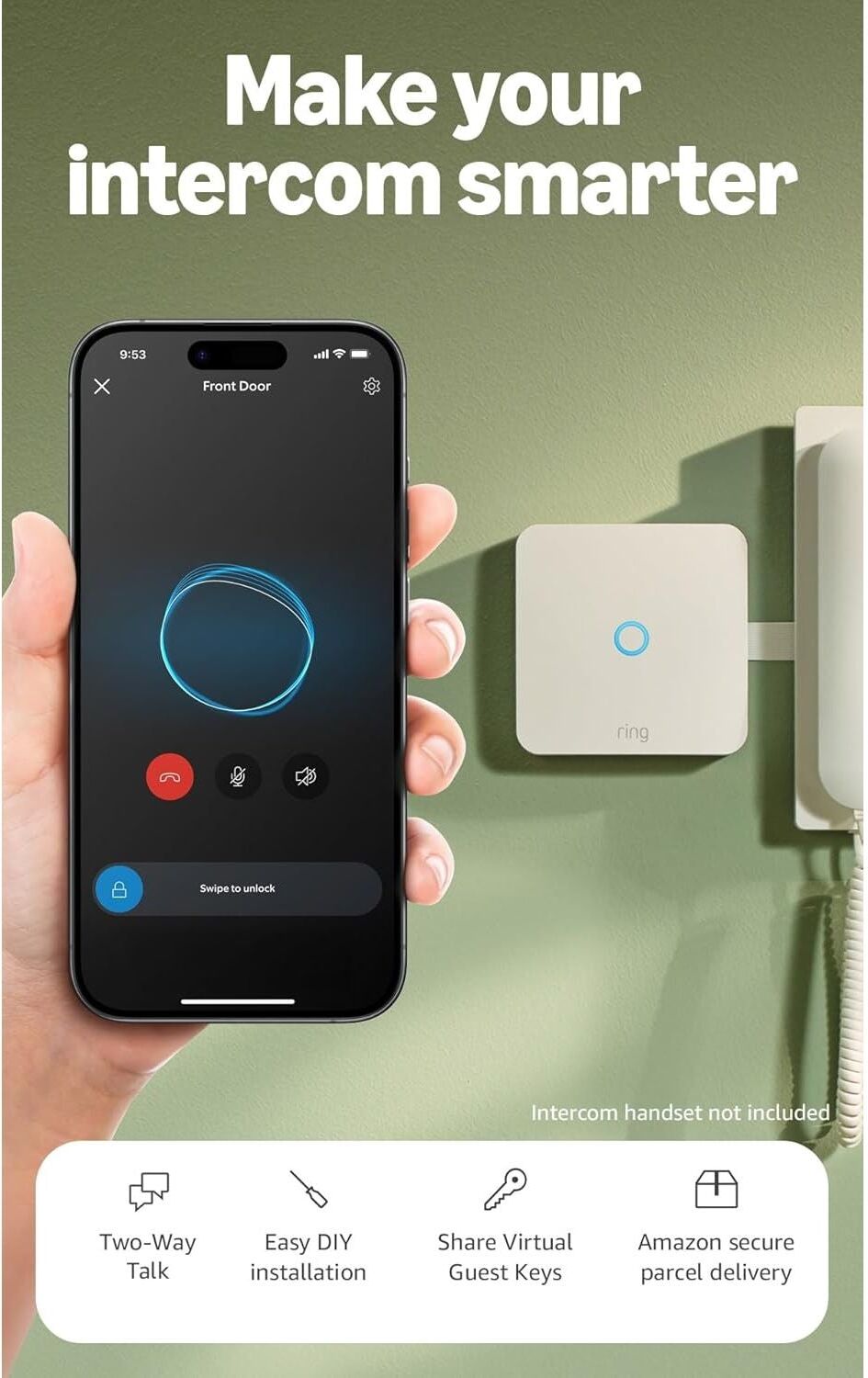
Ring Intercom Audio Smart Intercom Upgrade for ApartmentsOverview Upgrade your apartment entry system without replacing your existing intercom with the Ring Intercom Audio – Smart Intercom Upgrade for Apartments . Designed for compatible audio intercom systems, this DIY smart upgrade lets you speak to visitors and unlock your building entrance directly from the Ring app. Whether you are upstairs, at work or away from home, Ring Intercom Audio gives you a smarter, more convenient way to manage building access from your phone. Key Features & Benefits Answer Your Intercom from Anywhere – Receive intercom calls through the Ring app, so you can speak to visitors at your building entrance even when you are not next to your handset. Ring describes the device as allowing users to speak to whoever is at the entrance and buzz them in using the Ring app. Unlock the Building Entrance Remotely – Remote Unlock lets you buzz in trusted guests, family members, deliveries or service providers directly from your smartphone, helping you avoid missed visits. Two-Way Talk for Clear Visitor Communication – Speak with visitors before granting access, giving you more control and confidence when someone rings your apartment intercom. Ideal for Flats and Apartments – Designed specifically to upgrade compatible apartment intercom handsets, making it a smart solution for residents who want connected access without changing the main building system. DIY Installation Without Structural Changes – Ring states that Intercom Audio is designed for DIY setup, can be installed in under 45 minutes, and does not require special tools or structural changes, making it suitable for renters and homeowners. Works with Many Existing Intercoms – Compatible with many audio intercom systems, with Ring offering a compatibility checker to confirm whether your current handset is supported before installation. Auto-Verify for Amazon Deliveries – Give time-limited access to verified Amazon delivery drivers, helping packages be left securely inside the building entrance where supported. Share Access with Trusted Users – Add family members, flatmates or trusted visitors as shared users, making building access easier for the people you choose. Ring’s setup guide lists Shared Users as part of Access Control features. Battery Powered for Flexible Placement – Powered by a rechargeable Quick Release Battery Pack, reducing the need for a permanent power connection. Works with Alexa – Integrates with compatible Alexa devices, helping bring your apartment access into your wider smart home setup. Why Choose This Product The Ring Intercom Audio Smart Intercom Upgrade is ideal for apartment residents who want more control over building access without installing a full video doorbell or replacing the shared entry system. It helps make everyday life easier by letting you answer visitors, allow access and manage deliveries from your phone. From avoiding missed parcels to buzzing in family while you are busy, it brings modern smart-home convenience to traditional flat...79,98 £*Shipping: 0,00 £Secure redirect to the provider
-
How can you avoid reheating canned food?
To avoid reheating canned food, you can try to plan your meals in advance and only open a can when you are ready to eat the entire contents. This way, you can avoid having leftovers that need to be reheated. Additionally, you can try to use smaller cans or portion out the contents of larger cans into smaller containers to minimize the amount of leftovers. Finally, you can also consider using canned food in cold dishes or salads to avoid the need for reheating. **
-
Why do potatoes taste weird after reheating?
Potatoes can taste weird after reheating because the process of cooling and reheating can cause the starch in the potatoes to undergo a physical change known as retrogradation. This can lead to the potatoes becoming grainy, dry, and less flavorful. Additionally, reheating potatoes can also cause the natural sugars in the potatoes to caramelize, which can alter their taste and texture. To minimize these effects, it's best to store and reheat potatoes properly, such as by storing them in an airtight container and reheating them gently to avoid overcooking. **
-
Is constant reheating more expensive than continuous heating?
Constant reheating is generally more expensive than continuous heating. When you continuously heat a space, the energy is used consistently and efficiently to maintain the desired temperature. On the other hand, constant reheating requires the heating system to work harder and use more energy to bring the space back to the desired temperature each time it cools down. This can lead to higher energy costs and inefficiency in the long run. Therefore, continuous heating is usually a more cost-effective option. **
-
How are pasta and pesto served separately for reheating?
To reheat pasta and pesto separately, first, store the cooked pasta in an airtight container in the refrigerator. Store the pesto in a separate airtight container. When ready to reheat, place the pasta in a microwave-safe dish with a little water to prevent it from drying out. Heat the pasta in short intervals, stirring in between until it reaches the desired temperature. Reheat the pesto separately in a saucepan over low heat, stirring occasionally until warmed through. Serve the reheated pasta and pesto together when both are heated to your liking. **
Similar search terms for Reheating
-
/ Portable Air Conditioner, Compact Space-Saving Design for Bedrooms, Apartments, Offices & Dorm Rooms,Cooling Only.Stay cool and comfortable wherever you need it with this portable air conditioner, designed to deliver efficient cooling, convenient mobility, and user-friendly operation for modern living spaces.385,49 $*Shipping: 0,00 $Secure redirect to the provider
-
Which lunchbox is suitable for reheating food on the go?
A lunchbox with a microwave-safe container and a tight-sealing lid is suitable for reheating food on the go. Look for a lunchbox that has a removable microwave-safe container that can be easily heated in a microwave and then placed back into the lunchbox for transport. Additionally, a leak-proof and insulated lunchbox will help keep the food warm and prevent any spills while on the go. **
-
Is there no way to keep rolls warm without reheating them?
Yes, there are ways to keep rolls warm without reheating them. One common method is to wrap the rolls in a clean kitchen towel or aluminum foil and place them in a preheated cooler or insulated container. Another option is to place the rolls on a baking sheet and cover them with a damp towel before placing them in a warm oven (around 200°F) for a short period of time. These methods help retain the warmth of the rolls without drying them out or overcooking them. **
-
Will bacteria such as salmonella be killed when reheating food in the microwave?
Yes, bacteria such as salmonella can be killed when reheating food in the microwave. The high heat generated by the microwave can effectively kill bacteria, including salmonella, as long as the food is heated to the appropriate temperature. It is important to ensure that the food is heated evenly and reaches a temperature of at least 165°F (74°C) to kill any harmful bacteria present. Additionally, it is important to follow proper food safety guidelines when reheating food to minimize the risk of foodborne illness. **
-
I am looking for a small oven that is only suitable for reheating bread rolls.
I would recommend looking for a toaster oven that is specifically designed for toasting and reheating small items like bread rolls. Toaster ovens are compact and efficient for reheating bread products, and they often have settings specifically for toasting and warming bread. Look for a toaster oven with a small capacity that will fit your bread rolls comfortably and has simple controls for easy reheating. **
* All prices are inclusive of VAT and, if applicable, plus shipping costs. The offer information is based on the details provided by the respective shop and is updated through automated processes. Real-time updates do not occur, so deviations can occur in individual cases. ** Note: Parts of this content were created by AI.