Buy renthhh.com ?
We are moving the project
renthhh.com .
Are you interested in purchasing the domain
renthhh.com ?
domain@kv-gmbh.de · 0541-91531010
Buy renthhh.com ?
What is a purl row in knitting?
A purl row in knitting is when you create a row of stitches that have a raised bump texture on the right side of the fabric. To create a purl row, you insert the needle into the front of the stitch from right to left, wrap the yarn around the needle, and pull it through to create a new stitch. Purl rows are often alternated with knit rows to create different textures and patterns in knitting projects. **
What is a purl stitch in knitting?
A purl stitch in knitting is a basic stitch that creates a textured pattern on the fabric. It is the opposite of a knit stitch and is created by bringing the yarn to the front of the work, inserting the needle from right to left through the front of the stitch on the left-hand needle, wrapping the yarn around the right-hand needle, and pulling the loop through. Purl stitches are often used in combination with knit stitches to create various stitch patterns and designs in knitting projects. **

Similar search terms for Purl
Top-Angebote
Products related to Purl:


-
What is the difference between a knit stitch and a purl stitch?
The main difference between a knit stitch and a purl stitch is the way the yarn is wrapped around the needle. In a knit stitch, the yarn is held in the back of the work and the needle is inserted from front to back, creating a smooth, raised stitch. In a purl stitch, the yarn is held in the front of the work and the needle is inserted from back to front, creating a bumpier, textured stitch. These two stitches are the building blocks of knitting and are used in various combinations to create different patterns and textures in knitted fabric. **
-
How do you purl a stitch and wrap the yarn around the needle twice?
To purl a stitch and wrap the yarn around the needle twice, you would first bring the yarn to the front of the work. Then, insert the right-hand needle from right to left through the front of the first stitch on the left-hand needle. Next, wrap the yarn around the right-hand needle twice in a counter-clockwise direction. Finally, pull the yarn through the stitch and slip the original stitch off the left-hand needle. This will create a purl stitch with the yarn wrapped around the needle twice. **
-
Are all apartments in rental properties tested for Legionella?
Not all apartments in rental properties are typically tested for Legionella. Testing for Legionella is not a standard requirement for rental properties, but some landlords or property managers may choose to conduct testing as a precautionary measure. If there is a suspected or confirmed case of Legionnaires' disease in a rental property, testing for Legionella may be recommended to ensure the safety of the residents. **
-
By what criteria do housing cooperatives allocate their apartments?
Housing cooperatives allocate their apartments based on a variety of criteria, including financial stability, community involvement, and housing needs. Prospective members are often required to demonstrate their ability to pay the cooperative's monthly fees and contribute to the maintenance of the property. Additionally, some cooperatives prioritize applicants who are committed to participating in the cooperative's decision-making processes and community activities. Finally, housing cooperatives may also consider the specific housing needs of applicants, such as family size or accessibility requirements, when allocating apartments. **
How are social housing apartments allocated with a WBS certificate?
Social housing apartments are allocated to individuals with a WBS (Waiting List for Social Housing) certificate based on their level of need and eligibility. The WBS certificate is issued to individuals who have applied for social housing and have been assessed as meeting the eligibility criteria. The allocation process takes into consideration factors such as household size, income, and specific needs, with priority given to those in the greatest need. Once an individual is allocated a social housing apartment, they are required to sign a tenancy agreement and pay rent based on their income. **
Would there be a housing shortage if the government controlled the apartments?
If the government controlled the apartments, there could potentially be a housing shortage. Government control could lead to inefficiencies and lack of incentives for investment and maintenance, which could result in a decrease in the overall housing supply. Additionally, government control may also lead to bureaucratic red tape and slow decision-making processes, further exacerbating the shortage. However, it is also possible that government control could lead to more equitable distribution of housing and better affordability for low-income individuals, potentially mitigating the shortage in some areas. **
Top-Angebote
Products related to Purl:
-
What is a purl row in knitting?
A purl row in knitting is when you create a row of stitches that have a raised bump texture on the right side of the fabric. To create a purl row, you insert the needle into the front of the stitch from right to left, wrap the yarn around the needle, and pull it through to create a new stitch. Purl rows are often alternated with knit rows to create different textures and patterns in knitting projects. **
-
What is a purl stitch in knitting?
A purl stitch in knitting is a basic stitch that creates a textured pattern on the fabric. It is the opposite of a knit stitch and is created by bringing the yarn to the front of the work, inserting the needle from right to left through the front of the stitch on the left-hand needle, wrapping the yarn around the right-hand needle, and pulling the loop through. Purl stitches are often used in combination with knit stitches to create various stitch patterns and designs in knitting projects. **
-
What is the difference between a knit stitch and a purl stitch?
The main difference between a knit stitch and a purl stitch is the way the yarn is wrapped around the needle. In a knit stitch, the yarn is held in the back of the work and the needle is inserted from front to back, creating a smooth, raised stitch. In a purl stitch, the yarn is held in the front of the work and the needle is inserted from back to front, creating a bumpier, textured stitch. These two stitches are the building blocks of knitting and are used in various combinations to create different patterns and textures in knitted fabric. **
-
How do you purl a stitch and wrap the yarn around the needle twice?
To purl a stitch and wrap the yarn around the needle twice, you would first bring the yarn to the front of the work. Then, insert the right-hand needle from right to left through the front of the first stitch on the left-hand needle. Next, wrap the yarn around the right-hand needle twice in a counter-clockwise direction. Finally, pull the yarn through the stitch and slip the original stitch off the left-hand needle. This will create a purl stitch with the yarn wrapped around the needle twice. **
Similar search terms for Purl
-
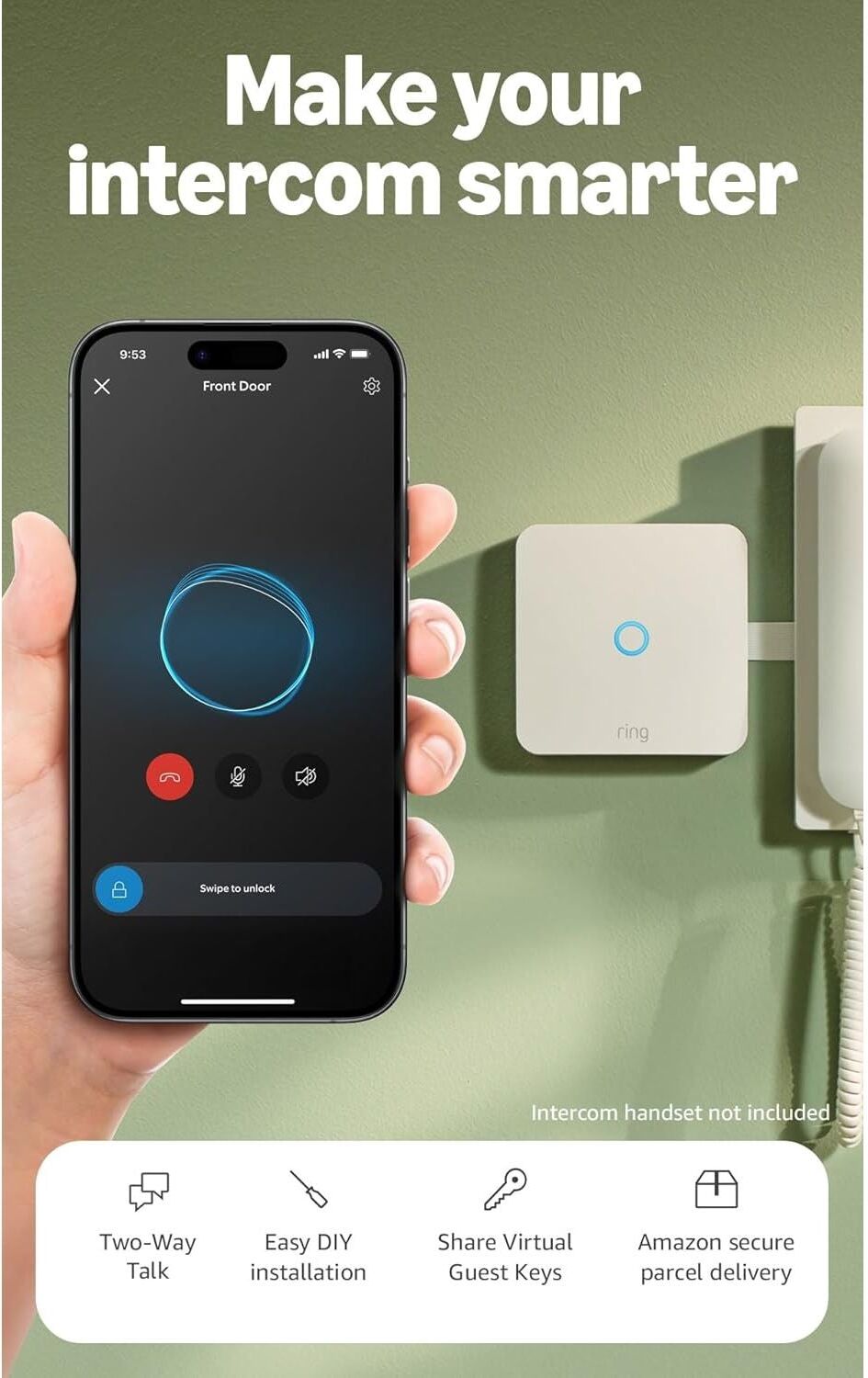
Ring Intercom Audio Smart Intercom Upgrade for ApartmentsOverview Upgrade your apartment entry system without replacing your existing intercom with the Ring Intercom Audio – Smart Intercom Upgrade for Apartments . Designed for compatible audio intercom systems, this DIY smart upgrade lets you speak to visitors and unlock your building entrance directly from the Ring app. Whether you are upstairs, at work or away from home, Ring Intercom Audio gives you a smarter, more convenient way to manage building access from your phone. Key Features & Benefits Answer Your Intercom from Anywhere – Receive intercom calls through the Ring app, so you can speak to visitors at your building entrance even when you are not next to your handset. Ring describes the device as allowing users to speak to whoever is at the entrance and buzz them in using the Ring app. Unlock the Building Entrance Remotely – Remote Unlock lets you buzz in trusted guests, family members, deliveries or service providers directly from your smartphone, helping you avoid missed visits. Two-Way Talk for Clear Visitor Communication – Speak with visitors before granting access, giving you more control and confidence when someone rings your apartment intercom. Ideal for Flats and Apartments – Designed specifically to upgrade compatible apartment intercom handsets, making it a smart solution for residents who want connected access without changing the main building system. DIY Installation Without Structural Changes – Ring states that Intercom Audio is designed for DIY setup, can be installed in under 45 minutes, and does not require special tools or structural changes, making it suitable for renters and homeowners. Works with Many Existing Intercoms – Compatible with many audio intercom systems, with Ring offering a compatibility checker to confirm whether your current handset is supported before installation. Auto-Verify for Amazon Deliveries – Give time-limited access to verified Amazon delivery drivers, helping packages be left securely inside the building entrance where supported. Share Access with Trusted Users – Add family members, flatmates or trusted visitors as shared users, making building access easier for the people you choose. Ring’s setup guide lists Shared Users as part of Access Control features. Battery Powered for Flexible Placement – Powered by a rechargeable Quick Release Battery Pack, reducing the need for a permanent power connection. Works with Alexa – Integrates with compatible Alexa devices, helping bring your apartment access into your wider smart home setup. Why Choose This Product The Ring Intercom Audio Smart Intercom Upgrade is ideal for apartment residents who want more control over building access without installing a full video doorbell or replacing the shared entry system. It helps make everyday life easier by letting you answer visitors, allow access and manage deliveries from your phone. From avoiding missed parcels to buzzing in family while you are busy, it brings modern smart-home convenience to traditional flat...79,98 £*Shipping: 0,00 £Secure redirect to the provider
-
Are all apartments in rental properties tested for Legionella?
Not all apartments in rental properties are typically tested for Legionella. Testing for Legionella is not a standard requirement for rental properties, but some landlords or property managers may choose to conduct testing as a precautionary measure. If there is a suspected or confirmed case of Legionnaires' disease in a rental property, testing for Legionella may be recommended to ensure the safety of the residents. **
-
By what criteria do housing cooperatives allocate their apartments?
Housing cooperatives allocate their apartments based on a variety of criteria, including financial stability, community involvement, and housing needs. Prospective members are often required to demonstrate their ability to pay the cooperative's monthly fees and contribute to the maintenance of the property. Additionally, some cooperatives prioritize applicants who are committed to participating in the cooperative's decision-making processes and community activities. Finally, housing cooperatives may also consider the specific housing needs of applicants, such as family size or accessibility requirements, when allocating apartments. **
-
How are social housing apartments allocated with a WBS certificate?
Social housing apartments are allocated to individuals with a WBS (Waiting List for Social Housing) certificate based on their level of need and eligibility. The WBS certificate is issued to individuals who have applied for social housing and have been assessed as meeting the eligibility criteria. The allocation process takes into consideration factors such as household size, income, and specific needs, with priority given to those in the greatest need. Once an individual is allocated a social housing apartment, they are required to sign a tenancy agreement and pay rent based on their income. **
-
Would there be a housing shortage if the government controlled the apartments?
If the government controlled the apartments, there could potentially be a housing shortage. Government control could lead to inefficiencies and lack of incentives for investment and maintenance, which could result in a decrease in the overall housing supply. Additionally, government control may also lead to bureaucratic red tape and slow decision-making processes, further exacerbating the shortage. However, it is also possible that government control could lead to more equitable distribution of housing and better affordability for low-income individuals, potentially mitigating the shortage in some areas. **
* All prices are inclusive of VAT and, if applicable, plus shipping costs. The offer information is based on the details provided by the respective shop and is updated through automated processes. Real-time updates do not occur, so deviations can occur in individual cases. ** Note: Parts of this content were created by AI.