Buy renthhh.com ?
We are moving the project
renthhh.com .
Are you interested in purchasing the domain
renthhh.com ?
domain@kv-gmbh.de · 0541-91531010
Buy renthhh.com ?
Narrator or omniscient narrator?
In the context of storytelling, the choice between a narrator or an omniscient narrator depends on the desired level of perspective and insight into the characters and events. A narrator typically provides a more personal and limited viewpoint, often sharing the story from their own perspective or a specific character's point of view. On the other hand, an omniscient narrator has a broader scope, knowing and revealing information beyond what any single character could know, offering a more objective and all-encompassing view of the story. Ultimately, the decision between a narrator or an omniscient narrator can greatly impact the storytelling style and the reader's experience of the narrative. **
Is a personal narrator the same as a he/she narrator?
A personal narrator and a he/she narrator are not necessarily the same. A personal narrator refers to a narrator who is directly involved in the story or is a character within the narrative. On the other hand, a he/she narrator is a third-person narrator who is not a character in the story but refers to the characters using "he" or "she." While a personal narrator can also be a he/she narrator, they are not always interchangeable as they serve different narrative functions. **

Similar search terms for Narrator
Top-Angebote
Products related to Narrator:
-
/ Portable Air Conditioner, Compact Space-Saving Design for Bedrooms, Apartments, Offices & Dorm Rooms,Cooling Only.Stay cool and comfortable wherever you need it with this portable air conditioner, designed to deliver efficient cooling, convenient mobility, and user-friendly operation for modern living spaces.385,49 $*Shipping: 0,00 $Secure redirect to the provider
-
COZY TRENDS COLLECTION Cotton Washcloths - Pack of 12-600 GSM Soft & Absorbent, Quick-Drying, for Beach Houses, Hotels, and Rental PropertiesElevate your hospitality experience with our premium Cotton Washcloths, thoughtfully designed for beach houses, hotels, and rental properties. This pack of 12 washcloths offers an ideal combination of softness, absorbency, and quick-drying performance.40,99 $*Shipping: 0,00 $Secure redirect to the provider



-
What is a fictional narrator?
A fictional narrator is a character within a work of fiction who tells the story to the reader. This character may be a participant in the events of the story, or they may be an observer recounting the events from a distance. The fictional narrator's perspective and voice shape the reader's understanding of the story, and their reliability or unreliability can add complexity to the narrative. The choice of narrator can greatly influence the reader's experience of the story. **
-
What is the difference between a first-person narrator and a third-person limited narrator?
A first-person narrator is a character within the story who tells the events from their own perspective using "I" or "we." This type of narrator is limited to their own thoughts, feelings, and experiences. On the other hand, a third-person limited narrator is an external voice that focuses on the thoughts and feelings of one character, but uses pronouns like "he," "she," or the character's name. This type of narrator provides insight into one character's perspective while still maintaining some distance from the story. **
-
What is the difference between a first-person narrator and a limited first-person narrator?
A first-person narrator is a character in the story who tells the events from their own perspective using "I" and "me." A limited first-person narrator is a type of first-person narrator who has a limited view of the events in the story, only knowing and sharing what they personally experience or witness. This means that the limited first-person narrator may not have access to all the information or perspectives in the story, leading to a more subjective and potentially biased account of events. **
-
Is the narrator a literary self?
The narrator in a literary work may or may not be a literary self. A literary self is a character or persona that closely resembles the author and may share similar experiences, thoughts, or beliefs. In some cases, the narrator may indeed be a literary self, serving as a vehicle for the author to express their own perspectives and experiences. However, in other cases, the narrator may be a completely fictional creation, with no direct connection to the author's own identity. It ultimately depends on the specific work and the intentions of the author. **


Do you have this inner narrator?
As an AI language model, I do not have an inner narrator in the same way that humans do. I do not have personal experiences, emotions, or a sense of self, so I do not have an inner voice or narrator to reflect on my thoughts and experiences. My responses are generated based on patterns in the data I have been trained on, rather than any personal inner monologue. **
What is the difference between a commenting narrator and a judgmental narrator? Do you have any examples?
A commenting narrator provides observations or insights about the characters or events in a story without passing explicit judgment, while a judgmental narrator expresses clear opinions or evaluations about the characters or events. An example of a commenting narrator can be found in J.D. Salinger's "The Catcher in the Rye," where the protagonist, Holden Caulfield, shares his thoughts and feelings about the people he encounters without explicitly condemning them. In contrast, a judgmental narrator can be seen in Jane Austen's "Pride and Prejudice," where the narrator offers critical commentary on the characters' actions and personalities, such as Mr. Collins' obsequious behavior. **
Top-Angebote
Products related to Narrator:
-
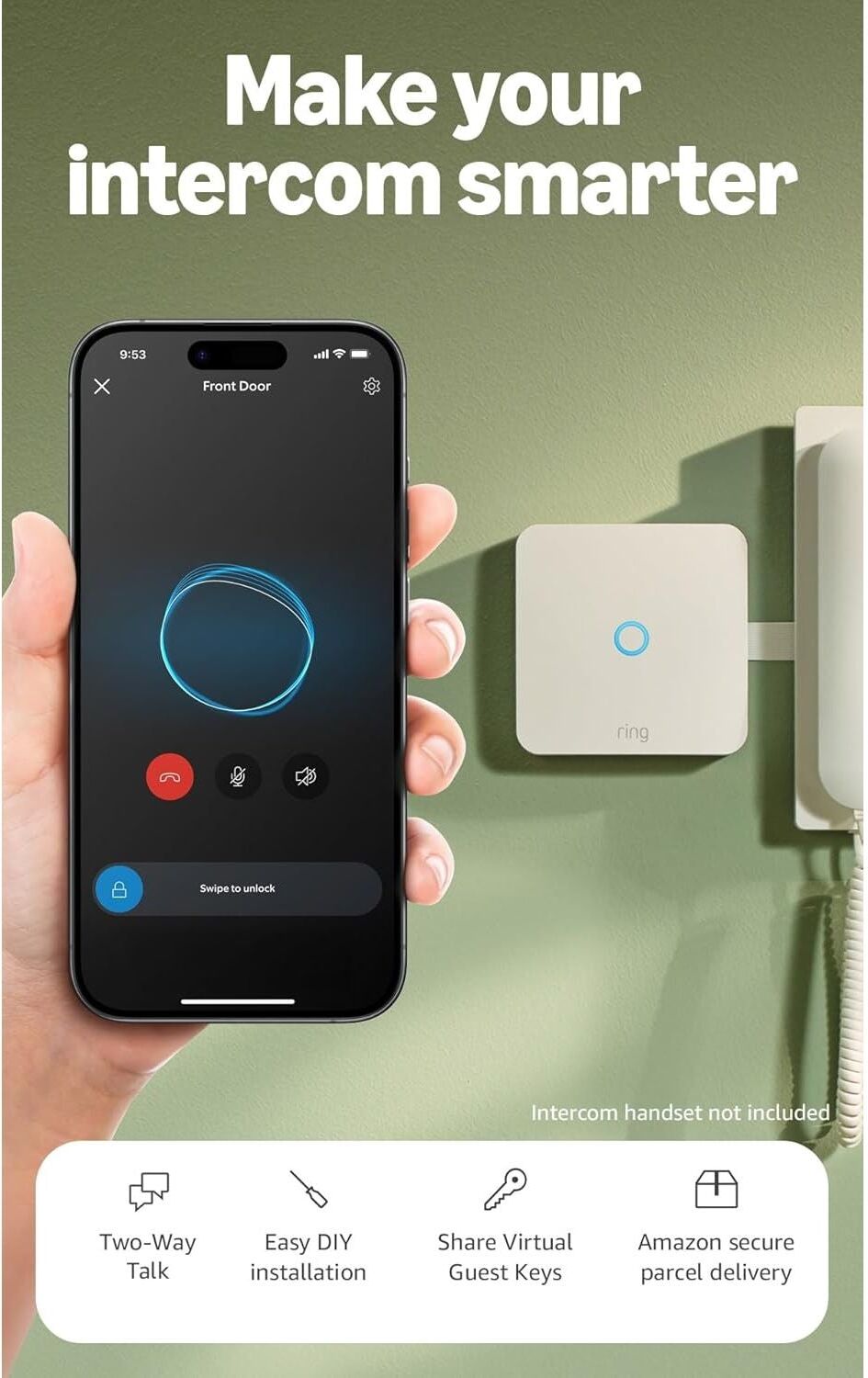
Ring Intercom Audio Smart Intercom Upgrade for ApartmentsOverview Upgrade your apartment entry system without replacing your existing intercom with the Ring Intercom Audio – Smart Intercom Upgrade for Apartments . Designed for compatible audio intercom systems, this DIY smart upgrade lets you speak to visitors and unlock your building entrance directly from the Ring app. Whether you are upstairs, at work or away from home, Ring Intercom Audio gives you a smarter, more convenient way to manage building access from your phone. Key Features & Benefits Answer Your Intercom from Anywhere – Receive intercom calls through the Ring app, so you can speak to visitors at your building entrance even when you are not next to your handset. Ring describes the device as allowing users to speak to whoever is at the entrance and buzz them in using the Ring app. Unlock the Building Entrance Remotely – Remote Unlock lets you buzz in trusted guests, family members, deliveries or service providers directly from your smartphone, helping you avoid missed visits. Two-Way Talk for Clear Visitor Communication – Speak with visitors before granting access, giving you more control and confidence when someone rings your apartment intercom. Ideal for Flats and Apartments – Designed specifically to upgrade compatible apartment intercom handsets, making it a smart solution for residents who want connected access without changing the main building system. DIY Installation Without Structural Changes – Ring states that Intercom Audio is designed for DIY setup, can be installed in under 45 minutes, and does not require special tools or structural changes, making it suitable for renters and homeowners. Works with Many Existing Intercoms – Compatible with many audio intercom systems, with Ring offering a compatibility checker to confirm whether your current handset is supported before installation. Auto-Verify for Amazon Deliveries – Give time-limited access to verified Amazon delivery drivers, helping packages be left securely inside the building entrance where supported. Share Access with Trusted Users – Add family members, flatmates or trusted visitors as shared users, making building access easier for the people you choose. Ring’s setup guide lists Shared Users as part of Access Control features. Battery Powered for Flexible Placement – Powered by a rechargeable Quick Release Battery Pack, reducing the need for a permanent power connection. Works with Alexa – Integrates with compatible Alexa devices, helping bring your apartment access into your wider smart home setup. Why Choose This Product The Ring Intercom Audio Smart Intercom Upgrade is ideal for apartment residents who want more control over building access without installing a full video doorbell or replacing the shared entry system. It helps make everyday life easier by letting you answer visitors, allow access and manage deliveries from your phone. From avoiding missed parcels to buzzing in family while you are busy, it brings modern smart-home convenience to traditional flat...79,98 £*Shipping: 0,00 £Secure redirect to the provider
-
Narrator or omniscient narrator?
In the context of storytelling, the choice between a narrator or an omniscient narrator depends on the desired level of perspective and insight into the characters and events. A narrator typically provides a more personal and limited viewpoint, often sharing the story from their own perspective or a specific character's point of view. On the other hand, an omniscient narrator has a broader scope, knowing and revealing information beyond what any single character could know, offering a more objective and all-encompassing view of the story. Ultimately, the decision between a narrator or an omniscient narrator can greatly impact the storytelling style and the reader's experience of the narrative. **
-
Is a personal narrator the same as a he/she narrator?
A personal narrator and a he/she narrator are not necessarily the same. A personal narrator refers to a narrator who is directly involved in the story or is a character within the narrative. On the other hand, a he/she narrator is a third-person narrator who is not a character in the story but refers to the characters using "he" or "she." While a personal narrator can also be a he/she narrator, they are not always interchangeable as they serve different narrative functions. **
-
What is a fictional narrator?
A fictional narrator is a character within a work of fiction who tells the story to the reader. This character may be a participant in the events of the story, or they may be an observer recounting the events from a distance. The fictional narrator's perspective and voice shape the reader's understanding of the story, and their reliability or unreliability can add complexity to the narrative. The choice of narrator can greatly influence the reader's experience of the story. **
-
What is the difference between a first-person narrator and a third-person limited narrator?
A first-person narrator is a character within the story who tells the events from their own perspective using "I" or "we." This type of narrator is limited to their own thoughts, feelings, and experiences. On the other hand, a third-person limited narrator is an external voice that focuses on the thoughts and feelings of one character, but uses pronouns like "he," "she," or the character's name. This type of narrator provides insight into one character's perspective while still maintaining some distance from the story. **
Similar search terms for Narrator
-
/ Portable Air Conditioner, Compact Space-Saving Design for Bedrooms, Apartments, Offices & Dorm Rooms,Cooling Only.Stay cool and comfortable wherever you need it with this portable air conditioner, designed to deliver efficient cooling, convenient mobility, and user-friendly operation for modern living spaces.385,49 $*Shipping: 0,00 $Secure redirect to the provider
-
COZY TRENDS COLLECTION Cotton Washcloths - Pack of 12-600 GSM Soft & Absorbent, Quick-Drying, for Beach Houses, Hotels, and Rental PropertiesElevate your hospitality experience with our premium Cotton Washcloths, thoughtfully designed for beach houses, hotels, and rental properties. This pack of 12 washcloths offers an ideal combination of softness, absorbency, and quick-drying performance.40,99 $*Shipping: 0,00 $Secure redirect to the provider
-
What is the difference between a first-person narrator and a limited first-person narrator?
A first-person narrator is a character in the story who tells the events from their own perspective using "I" and "me." A limited first-person narrator is a type of first-person narrator who has a limited view of the events in the story, only knowing and sharing what they personally experience or witness. This means that the limited first-person narrator may not have access to all the information or perspectives in the story, leading to a more subjective and potentially biased account of events. **
-
Is the narrator a literary self?
The narrator in a literary work may or may not be a literary self. A literary self is a character or persona that closely resembles the author and may share similar experiences, thoughts, or beliefs. In some cases, the narrator may indeed be a literary self, serving as a vehicle for the author to express their own perspectives and experiences. However, in other cases, the narrator may be a completely fictional creation, with no direct connection to the author's own identity. It ultimately depends on the specific work and the intentions of the author. **
-
Do you have this inner narrator?
As an AI language model, I do not have an inner narrator in the same way that humans do. I do not have personal experiences, emotions, or a sense of self, so I do not have an inner voice or narrator to reflect on my thoughts and experiences. My responses are generated based on patterns in the data I have been trained on, rather than any personal inner monologue. **
-
What is the difference between a commenting narrator and a judgmental narrator? Do you have any examples?
A commenting narrator provides observations or insights about the characters or events in a story without passing explicit judgment, while a judgmental narrator expresses clear opinions or evaluations about the characters or events. An example of a commenting narrator can be found in J.D. Salinger's "The Catcher in the Rye," where the protagonist, Holden Caulfield, shares his thoughts and feelings about the people he encounters without explicitly condemning them. In contrast, a judgmental narrator can be seen in Jane Austen's "Pride and Prejudice," where the narrator offers critical commentary on the characters' actions and personalities, such as Mr. Collins' obsequious behavior. **
* All prices are inclusive of VAT and, if applicable, plus shipping costs. The offer information is based on the details provided by the respective shop and is updated through automated processes. Real-time updates do not occur, so deviations can occur in individual cases. ** Note: Parts of this content were created by AI.