Buy renthhh.com ?
We are moving the project
renthhh.com .
Are you interested in purchasing the domain
renthhh.com ?
domain@kv-gmbh.de · 0541-91531010
Buy renthhh.com ?
Why do the fronds of the Dypsis lutescens (Golden Cane Palm) dry out?
The fronds of the Dypsis lutescens (Golden Cane Palm) can dry out due to a lack of humidity in the air, insufficient watering, or exposure to direct sunlight. These palms are native to tropical regions and thrive in high humidity, so low humidity levels can cause their fronds to dry out. Additionally, if the plant is not receiving enough water, its fronds may dry up as a way of conserving water. Lastly, exposure to direct sunlight can also cause the fronds to dry out and become crispy. **
Search for a plant that has large palm-like fronds and a red flower.
One plant that fits this description is the Spathiphyllum cannifolium, also known as the Peace Lily. It has large, palm-like fronds and produces a striking red flower. The Peace Lily is a popular houseplant known for its air-purifying qualities and its ability to thrive in low light conditions. It is also relatively easy to care for, making it a great choice for indoor gardening. **

Similar search terms for Fronds
Top-Angebote
Products related to Fronds:
-
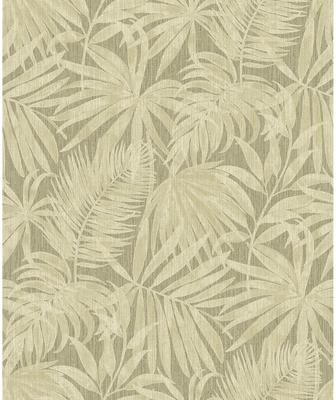
Roommates Blue Cat Coquillette Fun FrondsCreate a lush tropical oasis with this Cat Coquillette Fun Fronds Peel and Stick Wallpaper from RoomMates. Experience the tranquility and harmony of the swaying palms dipped in cool and calming tones inspired by the sea.42,99 $*Shipping: 0,00 $Secure redirect to the provider




-
Are all apartments in rental properties tested for Legionella?
Not all apartments in rental properties are typically tested for Legionella. Testing for Legionella is not a standard requirement for rental properties, but some landlords or property managers may choose to conduct testing as a precautionary measure. If there is a suspected or confirmed case of Legionnaires' disease in a rental property, testing for Legionella may be recommended to ensure the safety of the residents. **
-
By what criteria do housing cooperatives allocate their apartments?
Housing cooperatives allocate their apartments based on a variety of criteria, including financial stability, community involvement, and housing needs. Prospective members are often required to demonstrate their ability to pay the cooperative's monthly fees and contribute to the maintenance of the property. Additionally, some cooperatives prioritize applicants who are committed to participating in the cooperative's decision-making processes and community activities. Finally, housing cooperatives may also consider the specific housing needs of applicants, such as family size or accessibility requirements, when allocating apartments. **
-
How are social housing apartments allocated with a WBS certificate?
Social housing apartments are allocated to individuals with a WBS (Waiting List for Social Housing) certificate based on their level of need and eligibility. The WBS certificate is issued to individuals who have applied for social housing and have been assessed as meeting the eligibility criteria. The allocation process takes into consideration factors such as household size, income, and specific needs, with priority given to those in the greatest need. Once an individual is allocated a social housing apartment, they are required to sign a tenancy agreement and pay rent based on their income. **
-
Should I trim the fronds of my palm so that the small ones can grow better, or should I leave them on? They look very elongated.
It is generally recommended to trim the older, lower fronds of a palm tree to promote better growth of new, healthier fronds. This allows more sunlight and nutrients to reach the younger fronds, helping them grow stronger and more vibrant. However, it is important to avoid over-pruning as this can stress the palm tree. If the fronds look elongated, it may be a sign that they are not receiving enough sunlight and trimming them could help improve the overall health of the palm. **


Would there be a housing shortage if the government controlled the apartments?
If the government controlled the apartments, there could potentially be a housing shortage. Government control could lead to inefficiencies and lack of incentives for investment and maintenance, which could result in a decrease in the overall housing supply. Additionally, government control may also lead to bureaucratic red tape and slow decision-making processes, further exacerbating the shortage. However, it is also possible that government control could lead to more equitable distribution of housing and better affordability for low-income individuals, potentially mitigating the shortage in some areas. **
How does the allocation of apartments in a cooperative housing society work?
In a cooperative housing society, the allocation of apartments typically works through a membership system. Individuals or families who want to live in the cooperative must become members by purchasing shares in the cooperative. The number of shares purchased often determines the size or type of apartment that the member is eligible for. The allocation process may also take into account factors such as seniority, need, or other criteria set by the cooperative's governing body. Once an apartment becomes available, it is allocated to a member based on these factors and the member's shareholding in the cooperative. **
Top-Angebote
Products related to Fronds:
-
Why do the fronds of the Dypsis lutescens (Golden Cane Palm) dry out?
The fronds of the Dypsis lutescens (Golden Cane Palm) can dry out due to a lack of humidity in the air, insufficient watering, or exposure to direct sunlight. These palms are native to tropical regions and thrive in high humidity, so low humidity levels can cause their fronds to dry out. Additionally, if the plant is not receiving enough water, its fronds may dry up as a way of conserving water. Lastly, exposure to direct sunlight can also cause the fronds to dry out and become crispy. **
-
Search for a plant that has large palm-like fronds and a red flower.
One plant that fits this description is the Spathiphyllum cannifolium, also known as the Peace Lily. It has large, palm-like fronds and produces a striking red flower. The Peace Lily is a popular houseplant known for its air-purifying qualities and its ability to thrive in low light conditions. It is also relatively easy to care for, making it a great choice for indoor gardening. **
-
Are all apartments in rental properties tested for Legionella?
Not all apartments in rental properties are typically tested for Legionella. Testing for Legionella is not a standard requirement for rental properties, but some landlords or property managers may choose to conduct testing as a precautionary measure. If there is a suspected or confirmed case of Legionnaires' disease in a rental property, testing for Legionella may be recommended to ensure the safety of the residents. **
-
By what criteria do housing cooperatives allocate their apartments?
Housing cooperatives allocate their apartments based on a variety of criteria, including financial stability, community involvement, and housing needs. Prospective members are often required to demonstrate their ability to pay the cooperative's monthly fees and contribute to the maintenance of the property. Additionally, some cooperatives prioritize applicants who are committed to participating in the cooperative's decision-making processes and community activities. Finally, housing cooperatives may also consider the specific housing needs of applicants, such as family size or accessibility requirements, when allocating apartments. **
Similar search terms for Fronds
-
Roommates Blue Cat Coquillette Fun FrondsCreate a lush tropical oasis with this Cat Coquillette Fun Fronds Peel and Stick Wallpaper from RoomMates. Experience the tranquility and harmony of the swaying palms dipped in cool and calming tones inspired by the sea.42,99 $*Shipping: 0,00 $Secure redirect to the provider
-
How are social housing apartments allocated with a WBS certificate?
Social housing apartments are allocated to individuals with a WBS (Waiting List for Social Housing) certificate based on their level of need and eligibility. The WBS certificate is issued to individuals who have applied for social housing and have been assessed as meeting the eligibility criteria. The allocation process takes into consideration factors such as household size, income, and specific needs, with priority given to those in the greatest need. Once an individual is allocated a social housing apartment, they are required to sign a tenancy agreement and pay rent based on their income. **
-
Should I trim the fronds of my palm so that the small ones can grow better, or should I leave them on? They look very elongated.
It is generally recommended to trim the older, lower fronds of a palm tree to promote better growth of new, healthier fronds. This allows more sunlight and nutrients to reach the younger fronds, helping them grow stronger and more vibrant. However, it is important to avoid over-pruning as this can stress the palm tree. If the fronds look elongated, it may be a sign that they are not receiving enough sunlight and trimming them could help improve the overall health of the palm. **
-
Would there be a housing shortage if the government controlled the apartments?
If the government controlled the apartments, there could potentially be a housing shortage. Government control could lead to inefficiencies and lack of incentives for investment and maintenance, which could result in a decrease in the overall housing supply. Additionally, government control may also lead to bureaucratic red tape and slow decision-making processes, further exacerbating the shortage. However, it is also possible that government control could lead to more equitable distribution of housing and better affordability for low-income individuals, potentially mitigating the shortage in some areas. **
-
How does the allocation of apartments in a cooperative housing society work?
In a cooperative housing society, the allocation of apartments typically works through a membership system. Individuals or families who want to live in the cooperative must become members by purchasing shares in the cooperative. The number of shares purchased often determines the size or type of apartment that the member is eligible for. The allocation process may also take into account factors such as seniority, need, or other criteria set by the cooperative's governing body. Once an apartment becomes available, it is allocated to a member based on these factors and the member's shareholding in the cooperative. **
* All prices are inclusive of VAT and, if applicable, plus shipping costs. The offer information is based on the details provided by the respective shop and is updated through automated processes. Real-time updates do not occur, so deviations can occur in individual cases. ** Note: Parts of this content were created by AI.