Buy renthhh.com ?
We are moving the project
renthhh.com .
Are you interested in purchasing the domain
renthhh.com ?
domain@kv-gmbh.de · 0541-91531010
Buy renthhh.com ?
What is strong decomposition?
Strong decomposition is a concept in graph theory where a graph is decomposed into smaller subgraphs in such a way that the original graph can be reconstructed from the subgraphs. The decomposition is considered strong if it preserves certain properties of the original graph, such as connectivity or edge-disjointness. Strong decomposition is useful in various applications, such as network design and optimization, where it allows for the analysis and manipulation of complex graphs by breaking them down into more manageable components. **
What causes strong decomposition?
Strong decomposition is caused by the presence of a large amount of organic matter, such as dead plants and animals, in an environment. This organic matter provides a rich source of nutrients for decomposers like bacteria, fungi, and insects, which break down the organic material at a rapid rate. Factors such as warm temperatures, high moisture levels, and good aeration can also contribute to strong decomposition by creating optimal conditions for decomposer activity. As a result, strong decomposition can lead to the rapid breakdown of organic matter and the release of nutrients back into the environment. **


Similar search terms for Decomposition
Top-Angebote
Products related to Decomposition:
-
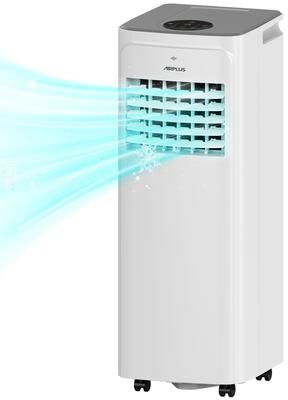
/ Portable Air Conditioner, Compact Space-Saving Design for Bedrooms, Apartments, Offices & Dorm Rooms,Cooling Only.Stay cool and comfortable wherever you need it with this portable air conditioner, designed to deliver efficient cooling, convenient mobility, and user-friendly operation for modern living spaces.385,49 $*Shipping: 0,00 $Secure redirect to the provider



-
What is decomposition in birds?
Decomposition in birds refers to the natural process of breaking down organic matter after the bird has died. This process involves the breakdown of tissues and organs by bacteria and other microorganisms, leading to the release of nutrients back into the environment. Decomposition is an important part of the ecosystem as it helps recycle nutrients and return them to the soil, benefiting other organisms in the food chain. **
-
How long does decomposition take?
The rate of decomposition can vary widely depending on environmental conditions such as temperature, moisture, and presence of oxygen. In general, it can take anywhere from a few weeks to several years for organic matter to fully decompose. For example, a leaf may decompose in a matter of weeks, while a fallen tree trunk could take several years to fully break down. In some cases, such as in very dry or cold environments, decomposition may be significantly slowed down. **
-
Which animal is affected by decomposition?
Decomposition affects a wide range of animals, including insects, scavengers, and decomposers such as bacteria and fungi. These organisms play a crucial role in breaking down organic matter, including dead animals, into simpler compounds that can be recycled back into the ecosystem. Without decomposition, nutrients would not be returned to the soil, and the ecosystem would suffer from a buildup of dead organic matter. **
-
Is faster decomposition good or not?
Faster decomposition can be both good and bad, depending on the context. In natural ecosystems, faster decomposition can be beneficial as it helps to break down organic matter and release nutrients back into the soil, supporting plant growth. However, in certain situations such as in landfills, faster decomposition can lead to the production of greenhouse gases like methane, contributing to climate change. Therefore, it is important to consider the specific circumstances when evaluating whether faster decomposition is good or not. **


What are examples of thermal decomposition?
Examples of thermal decomposition include the breakdown of calcium carbonate into calcium oxide and carbon dioxide when heated, the decomposition of hydrogen peroxide into water and oxygen when heated, and the decomposition of ammonium nitrate into nitrogen gas and water vapor when heated. These reactions occur when a compound is heated to a certain temperature, causing it to break down into simpler substances. Thermal decomposition is a common process in chemistry and is used in various industrial applications. **
How to calculate the eigenvalue decomposition?
To calculate the eigenvalue decomposition of a matrix, first find the eigenvalues of the matrix by solving the characteristic equation det(A - λI) = 0, where A is the matrix, λ is the eigenvalue, and I is the identity matrix. Once the eigenvalues are found, for each eigenvalue, solve the equation (A - λI)v = 0 to find the corresponding eigenvector v. Then, construct the matrix P using the eigenvectors as columns, and the diagonal matrix Λ using the eigenvalues on the diagonal. The eigenvalue decomposition is then given by A = PΛP^(-1), where P^(-1) is the inverse of matrix P. **
Top-Angebote
Products related to Decomposition:
-
Missha Chogongjin Geum Sul Emulsion Deep Nourishing Properties 150mLA cleansing product for wrinkles and signs of ageing. Provides deep hydration and nourishment for dry and very dry skin. Restores skin’s natural moisture and oil balance, suitable for oily and combination skin. Reduces the appearance of fine lines, wrinkles, and loss of elasticity. Calms and soothes irritated or tired skin, promoting a healthier complexion.20,58 £*Shipping: 7,11 £Secure redirect to the provider
-
Ring Intercom Audio Smart Intercom Upgrade for ApartmentsOverview Upgrade your apartment entry system without replacing your existing intercom with the Ring Intercom Audio – Smart Intercom Upgrade for Apartments . Designed for compatible audio intercom systems, this DIY smart upgrade lets you speak to visitors and unlock your building entrance directly from the Ring app. Whether you are upstairs, at work or away from home, Ring Intercom Audio gives you a smarter, more convenient way to manage building access from your phone. Key Features & Benefits Answer Your Intercom from Anywhere – Receive intercom calls through the Ring app, so you can speak to visitors at your building entrance even when you are not next to your handset. Ring describes the device as allowing users to speak to whoever is at the entrance and buzz them in using the Ring app. Unlock the Building Entrance Remotely – Remote Unlock lets you buzz in trusted guests, family members, deliveries or service providers directly from your smartphone, helping you avoid missed visits. Two-Way Talk for Clear Visitor Communication – Speak with visitors before granting access, giving you more control and confidence when someone rings your apartment intercom. Ideal for Flats and Apartments – Designed specifically to upgrade compatible apartment intercom handsets, making it a smart solution for residents who want connected access without changing the main building system. DIY Installation Without Structural Changes – Ring states that Intercom Audio is designed for DIY setup, can be installed in under 45 minutes, and does not require special tools or structural changes, making it suitable for renters and homeowners. Works with Many Existing Intercoms – Compatible with many audio intercom systems, with Ring offering a compatibility checker to confirm whether your current handset is supported before installation. Auto-Verify for Amazon Deliveries – Give time-limited access to verified Amazon delivery drivers, helping packages be left securely inside the building entrance where supported. Share Access with Trusted Users – Add family members, flatmates or trusted visitors as shared users, making building access easier for the people you choose. Ring’s setup guide lists Shared Users as part of Access Control features. Battery Powered for Flexible Placement – Powered by a rechargeable Quick Release Battery Pack, reducing the need for a permanent power connection. Works with Alexa – Integrates with compatible Alexa devices, helping bring your apartment access into your wider smart home setup. Why Choose This Product The Ring Intercom Audio Smart Intercom Upgrade is ideal for apartment residents who want more control over building access without installing a full video doorbell or replacing the shared entry system. It helps make everyday life easier by letting you answer visitors, allow access and manage deliveries from your phone. From avoiding missed parcels to buzzing in family while you are busy, it brings modern smart-home convenience to traditional flat...79,98 £*Shipping: 0,00 £Secure redirect to the provider
-
What is strong decomposition?
Strong decomposition is a concept in graph theory where a graph is decomposed into smaller subgraphs in such a way that the original graph can be reconstructed from the subgraphs. The decomposition is considered strong if it preserves certain properties of the original graph, such as connectivity or edge-disjointness. Strong decomposition is useful in various applications, such as network design and optimization, where it allows for the analysis and manipulation of complex graphs by breaking them down into more manageable components. **
-
What causes strong decomposition?
Strong decomposition is caused by the presence of a large amount of organic matter, such as dead plants and animals, in an environment. This organic matter provides a rich source of nutrients for decomposers like bacteria, fungi, and insects, which break down the organic material at a rapid rate. Factors such as warm temperatures, high moisture levels, and good aeration can also contribute to strong decomposition by creating optimal conditions for decomposer activity. As a result, strong decomposition can lead to the rapid breakdown of organic matter and the release of nutrients back into the environment. **
-
What is decomposition in birds?
Decomposition in birds refers to the natural process of breaking down organic matter after the bird has died. This process involves the breakdown of tissues and organs by bacteria and other microorganisms, leading to the release of nutrients back into the environment. Decomposition is an important part of the ecosystem as it helps recycle nutrients and return them to the soil, benefiting other organisms in the food chain. **
-
How long does decomposition take?
The rate of decomposition can vary widely depending on environmental conditions such as temperature, moisture, and presence of oxygen. In general, it can take anywhere from a few weeks to several years for organic matter to fully decompose. For example, a leaf may decompose in a matter of weeks, while a fallen tree trunk could take several years to fully break down. In some cases, such as in very dry or cold environments, decomposition may be significantly slowed down. **
Similar search terms for Decomposition
-
/ Portable Air Conditioner, Compact Space-Saving Design for Bedrooms, Apartments, Offices & Dorm Rooms,Cooling Only.Stay cool and comfortable wherever you need it with this portable air conditioner, designed to deliver efficient cooling, convenient mobility, and user-friendly operation for modern living spaces.385,49 $*Shipping: 0,00 $Secure redirect to the provider
-
Which animal is affected by decomposition?
Decomposition affects a wide range of animals, including insects, scavengers, and decomposers such as bacteria and fungi. These organisms play a crucial role in breaking down organic matter, including dead animals, into simpler compounds that can be recycled back into the ecosystem. Without decomposition, nutrients would not be returned to the soil, and the ecosystem would suffer from a buildup of dead organic matter. **
-
Is faster decomposition good or not?
Faster decomposition can be both good and bad, depending on the context. In natural ecosystems, faster decomposition can be beneficial as it helps to break down organic matter and release nutrients back into the soil, supporting plant growth. However, in certain situations such as in landfills, faster decomposition can lead to the production of greenhouse gases like methane, contributing to climate change. Therefore, it is important to consider the specific circumstances when evaluating whether faster decomposition is good or not. **
-
What are examples of thermal decomposition?
Examples of thermal decomposition include the breakdown of calcium carbonate into calcium oxide and carbon dioxide when heated, the decomposition of hydrogen peroxide into water and oxygen when heated, and the decomposition of ammonium nitrate into nitrogen gas and water vapor when heated. These reactions occur when a compound is heated to a certain temperature, causing it to break down into simpler substances. Thermal decomposition is a common process in chemistry and is used in various industrial applications. **
-
How to calculate the eigenvalue decomposition?
To calculate the eigenvalue decomposition of a matrix, first find the eigenvalues of the matrix by solving the characteristic equation det(A - λI) = 0, where A is the matrix, λ is the eigenvalue, and I is the identity matrix. Once the eigenvalues are found, for each eigenvalue, solve the equation (A - λI)v = 0 to find the corresponding eigenvector v. Then, construct the matrix P using the eigenvectors as columns, and the diagonal matrix Λ using the eigenvalues on the diagonal. The eigenvalue decomposition is then given by A = PΛP^(-1), where P^(-1) is the inverse of matrix P. **
* All prices are inclusive of VAT and, if applicable, plus shipping costs. The offer information is based on the details provided by the respective shop and is updated through automated processes. Real-time updates do not occur, so deviations can occur in individual cases. ** Note: Parts of this content were created by AI.