Buy renthhh.com ?
We are moving the project
renthhh.com .
Are you interested in purchasing the domain
renthhh.com ?
domain@kv-gmbh.de · 0541-91531010
Buy renthhh.com ?
Please identify a coniferous tree.
One example of a coniferous tree is the pine tree. Pine trees are known for their needle-like leaves and produce cones as their reproductive structures. They are commonly found in forests and are important for providing habitat for wildlife and contributing to the ecosystem. Pine trees are also valued for their wood, which is used in construction and furniture making. **
Which coniferous trees are these?
The coniferous trees in the image are pine trees. Pine trees are characterized by their long, needle-like leaves that grow in clusters and their distinctive pine cones. They are commonly found in temperate regions around the world and are known for their tall, straight trunks and evergreen foliage. **


Similar search terms for Coniferous
Top-Angebote
Products related to Coniferous:
-
/ Portable Air Conditioner, Compact Space-Saving Design for Bedrooms, Apartments, Offices & Dorm Rooms,Cooling Only.Stay cool and comfortable wherever you need it with this portable air conditioner, designed to deliver efficient cooling, convenient mobility, and user-friendly operation for modern living spaces.385,49 $*Shipping: 0,00 $Secure redirect to the provider
-
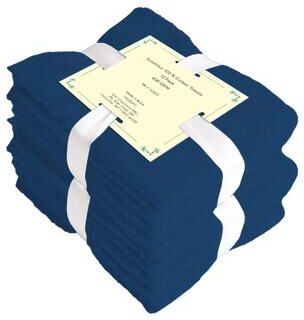
COZY TRENDS COLLECTION Cotton Washcloths - Pack of 12-600 GSM Soft & Absorbent, Quick-Drying, for Beach Houses, Hotels, and Rental PropertiesElevate your hospitality experience with our premium Cotton Washcloths, thoughtfully designed for beach houses, hotels, and rental properties. This pack of 12 washcloths offers an ideal combination of softness, absorbency, and quick-drying performance.40,99 $*Shipping: 0,00 $Secure redirect to the provider



-
How do coniferous trees reproduce?
Coniferous trees reproduce through the production of cones. These cones contain the tree's seeds, which are released when the cones mature and open. The seeds are then dispersed by wind, animals, or other means, allowing the tree to reproduce and grow in new locations. **
-
Deciduous forest or coniferous forest?
It ultimately depends on personal preference and the specific characteristics of each forest type. Deciduous forests are known for their vibrant fall foliage and diverse wildlife, while coniferous forests are characterized by their evergreen trees and unique ecosystems. Deciduous forests may be preferred for their seasonal changes and variety of tree species, while coniferous forests may be favored for their year-round greenery and potential for winter sports. Both types of forests offer their own beauty and ecological significance. **
-
How do you dispose of branches and twigs from coniferous trees in a coniferous forest?
In a coniferous forest, branches and twigs from coniferous trees can be disposed of through natural processes such as decomposition. Fallen branches and twigs can break down over time, returning nutrients to the soil and providing habitat for various organisms. In some cases, forest management practices may involve chipping or mulching branches and twigs to accelerate decomposition and improve soil health. Additionally, controlled burning may be used in certain situations to manage forest debris and reduce fire risk. **
-
Is this a coniferous wood wheel?
Without more specific information or context, it is difficult to determine if the wood wheel in question is made from coniferous wood. Coniferous wood comes from trees such as pine, spruce, and fir, which are known for their needle-like leaves and cone-bearing fruits. To determine if the wood wheel is made from coniferous wood, one would need to examine the wood closely for characteristics such as resin canals, growth rings, and the presence of knots, which are common in coniferous wood. **


How do you prune a coniferous tree?
To prune a coniferous tree, start by removing any dead, damaged, or diseased branches using sharp, clean pruning shears. Next, selectively prune branches to improve the tree's shape and structure, focusing on removing any crowded or crossing branches. It's important to avoid cutting back into old wood or removing more than 20% of the tree's foliage in one pruning session to prevent stress and damage. Finally, step back periodically to assess the tree's overall appearance and make any final adjustments as needed. **
What can be planted under coniferous trees?
Under coniferous trees, it is best to plant shade-tolerant plants that can thrive in the acidic soil typically found in these environments. Some suitable options include ferns, hostas, heucheras, and coral bells. These plants can add color and texture to the area while complementing the natural beauty of the coniferous trees. Additionally, ground covers like creeping juniper or moss can also be planted to help suppress weeds and retain moisture in the soil. **
Top-Angebote
Products related to Coniferous:
-
Ring Intercom Audio Smart Intercom Upgrade for ApartmentsOverview Upgrade your apartment entry system without replacing your existing intercom with the Ring Intercom Audio – Smart Intercom Upgrade for Apartments . Designed for compatible audio intercom systems, this DIY smart upgrade lets you speak to visitors and unlock your building entrance directly from the Ring app. Whether you are upstairs, at work or away from home, Ring Intercom Audio gives you a smarter, more convenient way to manage building access from your phone. Key Features & Benefits Answer Your Intercom from Anywhere – Receive intercom calls through the Ring app, so you can speak to visitors at your building entrance even when you are not next to your handset. Ring describes the device as allowing users to speak to whoever is at the entrance and buzz them in using the Ring app. Unlock the Building Entrance Remotely – Remote Unlock lets you buzz in trusted guests, family members, deliveries or service providers directly from your smartphone, helping you avoid missed visits. Two-Way Talk for Clear Visitor Communication – Speak with visitors before granting access, giving you more control and confidence when someone rings your apartment intercom. Ideal for Flats and Apartments – Designed specifically to upgrade compatible apartment intercom handsets, making it a smart solution for residents who want connected access without changing the main building system. DIY Installation Without Structural Changes – Ring states that Intercom Audio is designed for DIY setup, can be installed in under 45 minutes, and does not require special tools or structural changes, making it suitable for renters and homeowners. Works with Many Existing Intercoms – Compatible with many audio intercom systems, with Ring offering a compatibility checker to confirm whether your current handset is supported before installation. Auto-Verify for Amazon Deliveries – Give time-limited access to verified Amazon delivery drivers, helping packages be left securely inside the building entrance where supported. Share Access with Trusted Users – Add family members, flatmates or trusted visitors as shared users, making building access easier for the people you choose. Ring’s setup guide lists Shared Users as part of Access Control features. Battery Powered for Flexible Placement – Powered by a rechargeable Quick Release Battery Pack, reducing the need for a permanent power connection. Works with Alexa – Integrates with compatible Alexa devices, helping bring your apartment access into your wider smart home setup. Why Choose This Product The Ring Intercom Audio Smart Intercom Upgrade is ideal for apartment residents who want more control over building access without installing a full video doorbell or replacing the shared entry system. It helps make everyday life easier by letting you answer visitors, allow access and manage deliveries from your phone. From avoiding missed parcels to buzzing in family while you are busy, it brings modern smart-home convenience to traditional flat...79,98 £*Shipping: 0,00 £Secure redirect to the provider
-
/ Portable Air Conditioner, Compact Space-Saving Design for Bedrooms, Apartments, Offices & Dorm Rooms,Cooling Only.Stay cool and comfortable wherever you need it with this portable air conditioner, designed to deliver efficient cooling, convenient mobility, and user-friendly operation for modern living spaces.385,49 $*Shipping: 0,00 $Secure redirect to the provider
-
Please identify a coniferous tree.
One example of a coniferous tree is the pine tree. Pine trees are known for their needle-like leaves and produce cones as their reproductive structures. They are commonly found in forests and are important for providing habitat for wildlife and contributing to the ecosystem. Pine trees are also valued for their wood, which is used in construction and furniture making. **
-
Which coniferous trees are these?
The coniferous trees in the image are pine trees. Pine trees are characterized by their long, needle-like leaves that grow in clusters and their distinctive pine cones. They are commonly found in temperate regions around the world and are known for their tall, straight trunks and evergreen foliage. **
-
How do coniferous trees reproduce?
Coniferous trees reproduce through the production of cones. These cones contain the tree's seeds, which are released when the cones mature and open. The seeds are then dispersed by wind, animals, or other means, allowing the tree to reproduce and grow in new locations. **
-
Deciduous forest or coniferous forest?
It ultimately depends on personal preference and the specific characteristics of each forest type. Deciduous forests are known for their vibrant fall foliage and diverse wildlife, while coniferous forests are characterized by their evergreen trees and unique ecosystems. Deciduous forests may be preferred for their seasonal changes and variety of tree species, while coniferous forests may be favored for their year-round greenery and potential for winter sports. Both types of forests offer their own beauty and ecological significance. **
Similar search terms for Coniferous
-
COZY TRENDS COLLECTION Cotton Washcloths - Pack of 12-600 GSM Soft & Absorbent, Quick-Drying, for Beach Houses, Hotels, and Rental PropertiesElevate your hospitality experience with our premium Cotton Washcloths, thoughtfully designed for beach houses, hotels, and rental properties. This pack of 12 washcloths offers an ideal combination of softness, absorbency, and quick-drying performance.40,99 $*Shipping: 0,00 $Secure redirect to the provider
-
How do you dispose of branches and twigs from coniferous trees in a coniferous forest?
In a coniferous forest, branches and twigs from coniferous trees can be disposed of through natural processes such as decomposition. Fallen branches and twigs can break down over time, returning nutrients to the soil and providing habitat for various organisms. In some cases, forest management practices may involve chipping or mulching branches and twigs to accelerate decomposition and improve soil health. Additionally, controlled burning may be used in certain situations to manage forest debris and reduce fire risk. **
-
Is this a coniferous wood wheel?
Without more specific information or context, it is difficult to determine if the wood wheel in question is made from coniferous wood. Coniferous wood comes from trees such as pine, spruce, and fir, which are known for their needle-like leaves and cone-bearing fruits. To determine if the wood wheel is made from coniferous wood, one would need to examine the wood closely for characteristics such as resin canals, growth rings, and the presence of knots, which are common in coniferous wood. **
-
How do you prune a coniferous tree?
To prune a coniferous tree, start by removing any dead, damaged, or diseased branches using sharp, clean pruning shears. Next, selectively prune branches to improve the tree's shape and structure, focusing on removing any crowded or crossing branches. It's important to avoid cutting back into old wood or removing more than 20% of the tree's foliage in one pruning session to prevent stress and damage. Finally, step back periodically to assess the tree's overall appearance and make any final adjustments as needed. **
-
What can be planted under coniferous trees?
Under coniferous trees, it is best to plant shade-tolerant plants that can thrive in the acidic soil typically found in these environments. Some suitable options include ferns, hostas, heucheras, and coral bells. These plants can add color and texture to the area while complementing the natural beauty of the coniferous trees. Additionally, ground covers like creeping juniper or moss can also be planted to help suppress weeds and retain moisture in the soil. **
* All prices are inclusive of VAT and, if applicable, plus shipping costs. The offer information is based on the details provided by the respective shop and is updated through automated processes. Real-time updates do not occur, so deviations can occur in individual cases. ** Note: Parts of this content were created by AI.