Buy renthhh.com ?
We are moving the project
renthhh.com .
Are you interested in purchasing the domain
renthhh.com ?
domain@kv-gmbh.de · 0541-91531010
Buy renthhh.com ?
How is a biomembrane structured?
A biomembrane is structured as a phospholipid bilayer, with the hydrophilic (water-attracting) phosphate heads facing outward and the hydrophobic (water-repelling) fatty acid tails facing inward. This bilayer forms a barrier that separates the inside and outside of the cell, controlling the movement of molecules in and out of the cell. The membrane also contains proteins, cholesterol, and carbohydrates that are embedded within or attached to the phospholipid bilayer, contributing to its structure and function. This structure allows the biomembrane to be selectively permeable, regulating the passage of substances into and out of the cell. **
How is a biomembrane labeled?
A biomembrane can be labeled using various techniques such as fluorescent dyes, radioactive isotopes, or specific antibodies. Fluorescent dyes can be used to directly label the biomembrane, allowing for visualization under a fluorescence microscope. Radioactive isotopes can be incorporated into the membrane components and detected using autoradiography. Specific antibodies can also be used to target and label specific proteins or lipids within the biomembrane, allowing for precise localization and identification of membrane components. Each labeling technique has its advantages and limitations, and the choice of method depends on the specific research question and experimental requirements. **

Similar search terms for Biomembrane
Top-Angebote
Products related to Biomembrane:
-
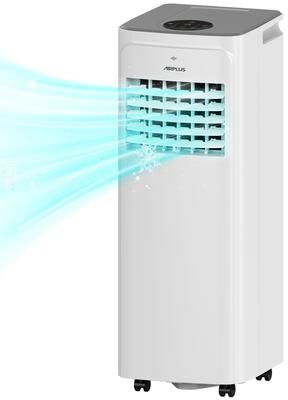
/ Portable Air Conditioner, Compact Space-Saving Design for Bedrooms, Apartments, Offices & Dorm Rooms,Cooling Only.Stay cool and comfortable wherever you need it with this portable air conditioner, designed to deliver efficient cooling, convenient mobility, and user-friendly operation for modern living spaces.385,49 $*Shipping: 0,00 $Secure redirect to the provider



-
Can water pass through a biomembrane?
Yes, water can pass through a biomembrane. Biomembranes are selectively permeable, meaning they allow certain substances, including water, to pass through while restricting the movement of others. Water can pass through biomembranes via a process called osmosis, where it moves from an area of high concentration to an area of low concentration to maintain equilibrium. This movement of water through biomembranes is essential for various cellular processes and maintaining proper hydration levels in organisms. **
-
What is the structure of a biomembrane?
A biomembrane is composed of a phospholipid bilayer with embedded proteins. The phospholipid bilayer consists of two layers of phospholipid molecules, with hydrophilic heads facing outward and hydrophobic tails facing inward. The proteins within the membrane can be integral, spanning the entire bilayer, or peripheral, attached to one side of the membrane. This structure provides the biomembrane with selective permeability, allowing it to regulate the passage of molecules in and out of the cell. **
-
What is the function of a biomembrane?
The function of a biomembrane is to act as a barrier that separates the interior of a cell from its external environment, allowing the cell to maintain its internal environment and regulate the exchange of molecules with the outside. It also plays a crucial role in communication and signaling between cells, as well as in the transport of molecules in and out of the cell. Additionally, biomembranes provide structural support and organization to the cell, helping to maintain its shape and integrity. **
-
What is active transport in the biomembrane?
Active transport in the biomembrane is a process that requires energy to move molecules or ions across the membrane against their concentration gradient. This process is carried out by specific proteins called pumps or transporters that use energy, usually in the form of ATP, to actively transport molecules or ions from an area of low concentration to an area of high concentration. Active transport is essential for maintaining proper ion concentrations inside and outside the cell, as well as for transporting nutrients into the cell and removing waste products. **


What are the hexagons on the biomembrane?
The hexagons on the biomembrane are typically representations of the phospholipid molecules that make up the membrane. Phospholipids have a hydrophilic (water-attracting) head and two hydrophobic (water-repelling) tails, which arrange themselves in a bilayer structure. This bilayer forms the basic structure of the biomembrane, with the hydrophilic heads facing the aqueous environment and the hydrophobic tails facing inward. The hexagonal shape is often used to depict this arrangement of phospholipids in the membrane. **
What function do carbohydrates have in the biomembrane?
Carbohydrates in the biomembrane play a crucial role in cell recognition and communication. They are involved in cell-cell interactions, cell signaling, and immune responses. Carbohydrates also help stabilize the membrane structure and provide protection against mechanical stress. Overall, carbohydrates in the biomembrane contribute to the overall functionality and integrity of the cell. **
Top-Angebote
Products related to Biomembrane:
-
Missha Chogongjin Geum Sul Emulsion Deep Nourishing Properties 150mLA cleansing product for wrinkles and signs of ageing. Provides deep hydration and nourishment for dry and very dry skin. Restores skin’s natural moisture and oil balance, suitable for oily and combination skin. Reduces the appearance of fine lines, wrinkles, and loss of elasticity. Calms and soothes irritated or tired skin, promoting a healthier complexion.20,58 £*Shipping: 7,11 £Secure redirect to the provider
-
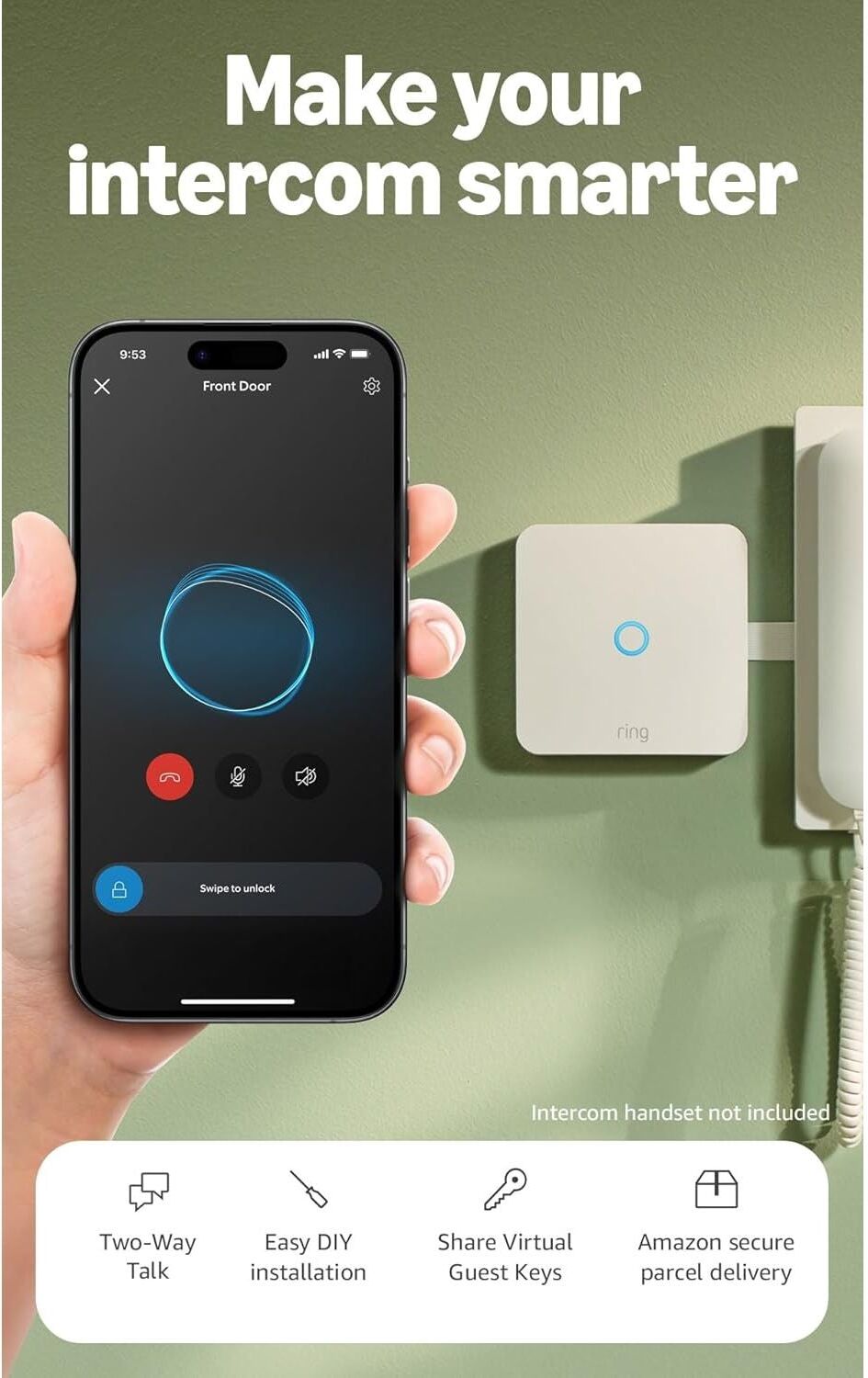
Ring Intercom Audio Smart Intercom Upgrade for ApartmentsOverview Upgrade your apartment entry system without replacing your existing intercom with the Ring Intercom Audio – Smart Intercom Upgrade for Apartments . Designed for compatible audio intercom systems, this DIY smart upgrade lets you speak to visitors and unlock your building entrance directly from the Ring app. Whether you are upstairs, at work or away from home, Ring Intercom Audio gives you a smarter, more convenient way to manage building access from your phone. Key Features & Benefits Answer Your Intercom from Anywhere – Receive intercom calls through the Ring app, so you can speak to visitors at your building entrance even when you are not next to your handset. Ring describes the device as allowing users to speak to whoever is at the entrance and buzz them in using the Ring app. Unlock the Building Entrance Remotely – Remote Unlock lets you buzz in trusted guests, family members, deliveries or service providers directly from your smartphone, helping you avoid missed visits. Two-Way Talk for Clear Visitor Communication – Speak with visitors before granting access, giving you more control and confidence when someone rings your apartment intercom. Ideal for Flats and Apartments – Designed specifically to upgrade compatible apartment intercom handsets, making it a smart solution for residents who want connected access without changing the main building system. DIY Installation Without Structural Changes – Ring states that Intercom Audio is designed for DIY setup, can be installed in under 45 minutes, and does not require special tools or structural changes, making it suitable for renters and homeowners. Works with Many Existing Intercoms – Compatible with many audio intercom systems, with Ring offering a compatibility checker to confirm whether your current handset is supported before installation. Auto-Verify for Amazon Deliveries – Give time-limited access to verified Amazon delivery drivers, helping packages be left securely inside the building entrance where supported. Share Access with Trusted Users – Add family members, flatmates or trusted visitors as shared users, making building access easier for the people you choose. Ring’s setup guide lists Shared Users as part of Access Control features. Battery Powered for Flexible Placement – Powered by a rechargeable Quick Release Battery Pack, reducing the need for a permanent power connection. Works with Alexa – Integrates with compatible Alexa devices, helping bring your apartment access into your wider smart home setup. Why Choose This Product The Ring Intercom Audio Smart Intercom Upgrade is ideal for apartment residents who want more control over building access without installing a full video doorbell or replacing the shared entry system. It helps make everyday life easier by letting you answer visitors, allow access and manage deliveries from your phone. From avoiding missed parcels to buzzing in family while you are busy, it brings modern smart-home convenience to traditional flat...79,98 £*Shipping: 0,00 £Secure redirect to the provider
-
How is a biomembrane structured?
A biomembrane is structured as a phospholipid bilayer, with the hydrophilic (water-attracting) phosphate heads facing outward and the hydrophobic (water-repelling) fatty acid tails facing inward. This bilayer forms a barrier that separates the inside and outside of the cell, controlling the movement of molecules in and out of the cell. The membrane also contains proteins, cholesterol, and carbohydrates that are embedded within or attached to the phospholipid bilayer, contributing to its structure and function. This structure allows the biomembrane to be selectively permeable, regulating the passage of substances into and out of the cell. **
-
How is a biomembrane labeled?
A biomembrane can be labeled using various techniques such as fluorescent dyes, radioactive isotopes, or specific antibodies. Fluorescent dyes can be used to directly label the biomembrane, allowing for visualization under a fluorescence microscope. Radioactive isotopes can be incorporated into the membrane components and detected using autoradiography. Specific antibodies can also be used to target and label specific proteins or lipids within the biomembrane, allowing for precise localization and identification of membrane components. Each labeling technique has its advantages and limitations, and the choice of method depends on the specific research question and experimental requirements. **
-
Can water pass through a biomembrane?
Yes, water can pass through a biomembrane. Biomembranes are selectively permeable, meaning they allow certain substances, including water, to pass through while restricting the movement of others. Water can pass through biomembranes via a process called osmosis, where it moves from an area of high concentration to an area of low concentration to maintain equilibrium. This movement of water through biomembranes is essential for various cellular processes and maintaining proper hydration levels in organisms. **
-
What is the structure of a biomembrane?
A biomembrane is composed of a phospholipid bilayer with embedded proteins. The phospholipid bilayer consists of two layers of phospholipid molecules, with hydrophilic heads facing outward and hydrophobic tails facing inward. The proteins within the membrane can be integral, spanning the entire bilayer, or peripheral, attached to one side of the membrane. This structure provides the biomembrane with selective permeability, allowing it to regulate the passage of molecules in and out of the cell. **
Similar search terms for Biomembrane
-
/ Portable Air Conditioner, Compact Space-Saving Design for Bedrooms, Apartments, Offices & Dorm Rooms,Cooling Only.Stay cool and comfortable wherever you need it with this portable air conditioner, designed to deliver efficient cooling, convenient mobility, and user-friendly operation for modern living spaces.385,49 $*Shipping: 0,00 $Secure redirect to the provider
-
What is the function of a biomembrane?
The function of a biomembrane is to act as a barrier that separates the interior of a cell from its external environment, allowing the cell to maintain its internal environment and regulate the exchange of molecules with the outside. It also plays a crucial role in communication and signaling between cells, as well as in the transport of molecules in and out of the cell. Additionally, biomembranes provide structural support and organization to the cell, helping to maintain its shape and integrity. **
-
What is active transport in the biomembrane?
Active transport in the biomembrane is a process that requires energy to move molecules or ions across the membrane against their concentration gradient. This process is carried out by specific proteins called pumps or transporters that use energy, usually in the form of ATP, to actively transport molecules or ions from an area of low concentration to an area of high concentration. Active transport is essential for maintaining proper ion concentrations inside and outside the cell, as well as for transporting nutrients into the cell and removing waste products. **
-
What are the hexagons on the biomembrane?
The hexagons on the biomembrane are typically representations of the phospholipid molecules that make up the membrane. Phospholipids have a hydrophilic (water-attracting) head and two hydrophobic (water-repelling) tails, which arrange themselves in a bilayer structure. This bilayer forms the basic structure of the biomembrane, with the hydrophilic heads facing the aqueous environment and the hydrophobic tails facing inward. The hexagonal shape is often used to depict this arrangement of phospholipids in the membrane. **
-
What function do carbohydrates have in the biomembrane?
Carbohydrates in the biomembrane play a crucial role in cell recognition and communication. They are involved in cell-cell interactions, cell signaling, and immune responses. Carbohydrates also help stabilize the membrane structure and provide protection against mechanical stress. Overall, carbohydrates in the biomembrane contribute to the overall functionality and integrity of the cell. **
* All prices are inclusive of VAT and, if applicable, plus shipping costs. The offer information is based on the details provided by the respective shop and is updated through automated processes. Real-time updates do not occur, so deviations can occur in individual cases. ** Note: Parts of this content were created by AI.