Buy renthhh.com ?
We are moving the project
renthhh.com .
Are you interested in purchasing the domain
renthhh.com ?
domain@kv-gmbh.de · 0541-91531010
Buy renthhh.com ?
Which material properties are used in filtration and evaporation?
In filtration, material properties such as pore size, porosity, and surface area are important factors. Pore size determines what size particles can pass through the filter, while porosity affects the flow rate of the filtration process. Surface area is crucial for maximizing contact between the material and the substance being filtered. In evaporation, properties such as thermal conductivity, heat capacity, and surface tension are utilized. Thermal conductivity helps in the efficient transfer of heat to evaporate the liquid, while heat capacity determines how much energy is needed for evaporation. Surface tension plays a role in the rate of evaporation by affecting the ease with which molecules can escape the liquid phase. **
What are the separating properties of evaporation, decantation, filtration, and sedimentation?
Evaporation separates a soluble solid from a liquid by heating the mixture and allowing the liquid to evaporate, leaving the solid behind. Decantation separates a liquid from a solid by carefully pouring off the liquid, leaving the solid behind. Filtration separates a solid from a liquid by passing the mixture through a filter, which traps the solid particles while allowing the liquid to pass through. Sedimentation separates solid particles from a liquid by allowing the mixture to sit undisturbed, causing the heavier particles to settle to the bottom of the container. **
Similar search terms for Evaporation
Top-Angebote
Products related to Evaporation:
-
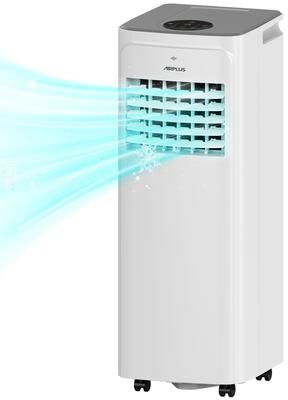
/ Portable Air Conditioner, Compact Space-Saving Design for Bedrooms, Apartments, Offices & Dorm Rooms,Cooling Only.Stay cool and comfortable wherever you need it with this portable air conditioner, designed to deliver efficient cooling, convenient mobility, and user-friendly operation for modern living spaces.385,49 $*Shipping: 0,00 $Secure redirect to the provider
-
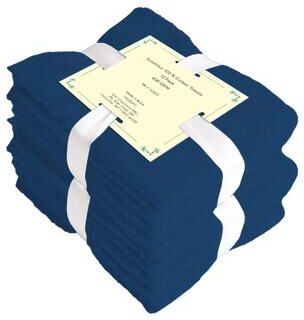
COZY TRENDS COLLECTION Cotton Washcloths - Pack of 12-600 GSM Soft & Absorbent, Quick-Drying, for Beach Houses, Hotels, and Rental PropertiesElevate your hospitality experience with our premium Cotton Washcloths, thoughtfully designed for beach houses, hotels, and rental properties. This pack of 12 washcloths offers an ideal combination of softness, absorbency, and quick-drying performance.40,99 $*Shipping: 0,00 $Secure redirect to the provider

-
Is evaporation the general term for both evaporation and boiling?
No, evaporation and boiling are not the same thing. Evaporation is the process by which a liquid turns into a gas at a temperature below its boiling point, typically occurring at the surface of the liquid. Boiling, on the other hand, is the rapid vaporization of a liquid when it is heated to its boiling point throughout the entire liquid. In summary, evaporation is the general term for the process of a liquid turning into a gas, while boiling is a specific type of evaporation that occurs at the boiling point of a liquid. **
-
Pregnant or evaporation line?
Determining whether a positive pregnancy test result is due to pregnancy or an evaporation line can be tricky. An evaporation line may appear on a pregnancy test if the test is read after the recommended time frame or if the test is faulty. To confirm a pregnancy, it is best to take another test or consult with a healthcare provider for a blood test. If the line is faint and appears after the designated time frame, it is more likely to be an evaporation line. **
-
Why does evaporation cool?
Evaporation cools because it is an endothermic process, meaning it requires energy to occur. When a liquid evaporates, the molecules with the highest kinetic energy escape from the surface of the liquid, taking away heat energy with them. This results in a decrease in the average kinetic energy of the remaining molecules, leading to a decrease in temperature and a cooling effect. **
-
What happens during evaporation?
During evaporation, a liquid substance is heated up, causing its molecules to gain enough energy to escape into the surrounding air as vapor. This process continues until all the liquid has been converted into vapor. **

What is final evaporation?
Final evaporation refers to the last stage of the evaporation process, where the remaining liquid is completely evaporated, leaving behind only the solid residue. This process is often used in the production of salt, where seawater is evaporated to remove the water and leave behind the salt crystals. Final evaporation is also used in the production of certain chemicals and in wastewater treatment to remove the remaining water from the sludge. **
How can evaporation be reduced?
Evaporation can be reduced by covering the surface of the water with a physical barrier, such as a tarp or floating cover, to prevent direct exposure to the air. Additionally, reducing the temperature of the water can also decrease the rate of evaporation. This can be achieved by shading the water or using evaporative cooling techniques. Finally, reducing the air movement over the water surface can also help to minimize evaporation. **
Top-Angebote
Products related to Evaporation:
-
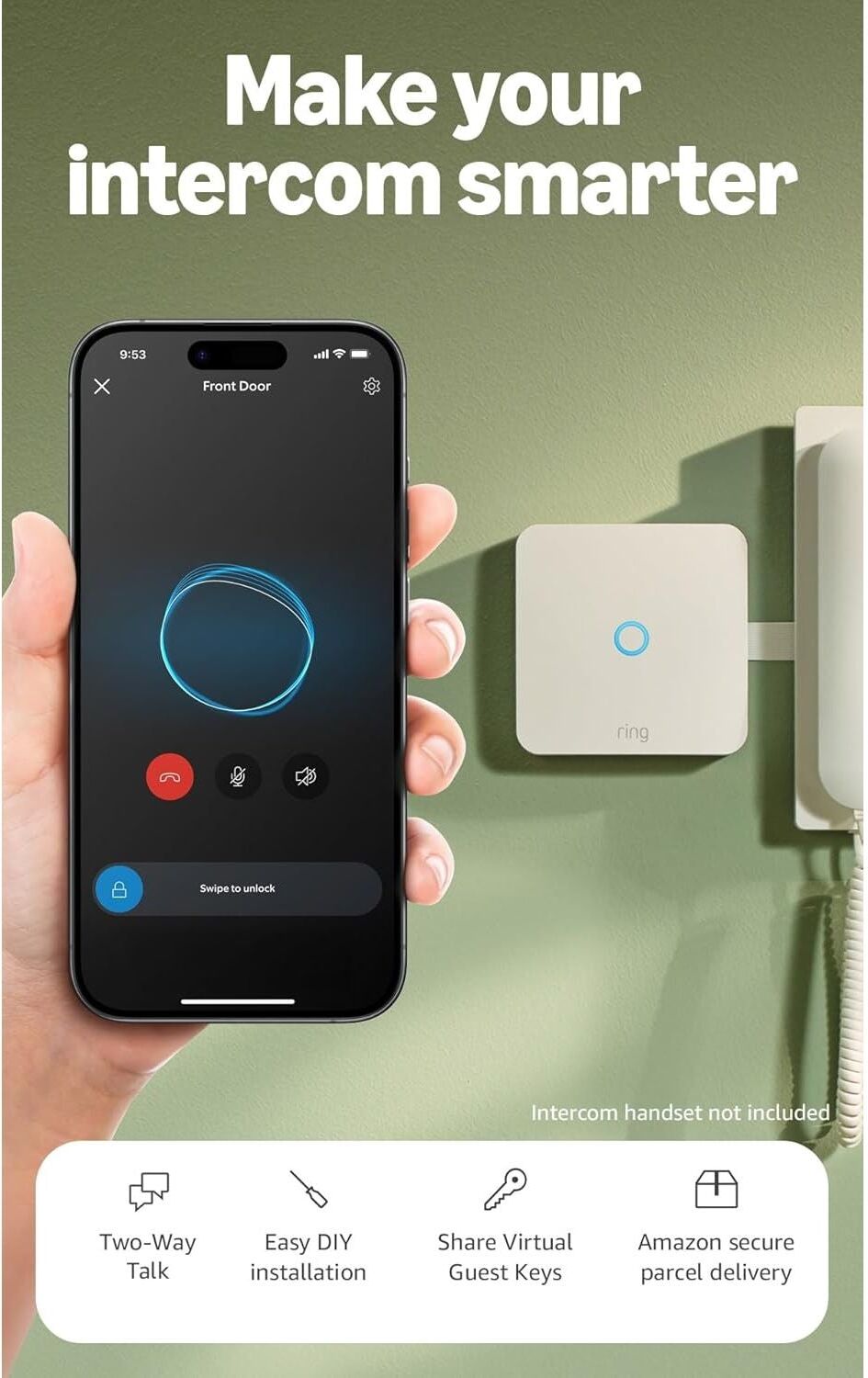
Ring Intercom Audio Smart Intercom Upgrade for ApartmentsOverview Upgrade your apartment entry system without replacing your existing intercom with the Ring Intercom Audio – Smart Intercom Upgrade for Apartments . Designed for compatible audio intercom systems, this DIY smart upgrade lets you speak to visitors and unlock your building entrance directly from the Ring app. Whether you are upstairs, at work or away from home, Ring Intercom Audio gives you a smarter, more convenient way to manage building access from your phone. Key Features & Benefits Answer Your Intercom from Anywhere – Receive intercom calls through the Ring app, so you can speak to visitors at your building entrance even when you are not next to your handset. Ring describes the device as allowing users to speak to whoever is at the entrance and buzz them in using the Ring app. Unlock the Building Entrance Remotely – Remote Unlock lets you buzz in trusted guests, family members, deliveries or service providers directly from your smartphone, helping you avoid missed visits. Two-Way Talk for Clear Visitor Communication – Speak with visitors before granting access, giving you more control and confidence when someone rings your apartment intercom. Ideal for Flats and Apartments – Designed specifically to upgrade compatible apartment intercom handsets, making it a smart solution for residents who want connected access without changing the main building system. DIY Installation Without Structural Changes – Ring states that Intercom Audio is designed for DIY setup, can be installed in under 45 minutes, and does not require special tools or structural changes, making it suitable for renters and homeowners. Works with Many Existing Intercoms – Compatible with many audio intercom systems, with Ring offering a compatibility checker to confirm whether your current handset is supported before installation. Auto-Verify for Amazon Deliveries – Give time-limited access to verified Amazon delivery drivers, helping packages be left securely inside the building entrance where supported. Share Access with Trusted Users – Add family members, flatmates or trusted visitors as shared users, making building access easier for the people you choose. Ring’s setup guide lists Shared Users as part of Access Control features. Battery Powered for Flexible Placement – Powered by a rechargeable Quick Release Battery Pack, reducing the need for a permanent power connection. Works with Alexa – Integrates with compatible Alexa devices, helping bring your apartment access into your wider smart home setup. Why Choose This Product The Ring Intercom Audio Smart Intercom Upgrade is ideal for apartment residents who want more control over building access without installing a full video doorbell or replacing the shared entry system. It helps make everyday life easier by letting you answer visitors, allow access and manage deliveries from your phone. From avoiding missed parcels to buzzing in family while you are busy, it brings modern smart-home convenience to traditional flat...79,98 £*Shipping: 0,00 £Secure redirect to the provider
-
Which material properties are used in filtration and evaporation?
In filtration, material properties such as pore size, porosity, and surface area are important factors. Pore size determines what size particles can pass through the filter, while porosity affects the flow rate of the filtration process. Surface area is crucial for maximizing contact between the material and the substance being filtered. In evaporation, properties such as thermal conductivity, heat capacity, and surface tension are utilized. Thermal conductivity helps in the efficient transfer of heat to evaporate the liquid, while heat capacity determines how much energy is needed for evaporation. Surface tension plays a role in the rate of evaporation by affecting the ease with which molecules can escape the liquid phase. **
-
What are the separating properties of evaporation, decantation, filtration, and sedimentation?
Evaporation separates a soluble solid from a liquid by heating the mixture and allowing the liquid to evaporate, leaving the solid behind. Decantation separates a liquid from a solid by carefully pouring off the liquid, leaving the solid behind. Filtration separates a solid from a liquid by passing the mixture through a filter, which traps the solid particles while allowing the liquid to pass through. Sedimentation separates solid particles from a liquid by allowing the mixture to sit undisturbed, causing the heavier particles to settle to the bottom of the container. **
-
Is evaporation the general term for both evaporation and boiling?
No, evaporation and boiling are not the same thing. Evaporation is the process by which a liquid turns into a gas at a temperature below its boiling point, typically occurring at the surface of the liquid. Boiling, on the other hand, is the rapid vaporization of a liquid when it is heated to its boiling point throughout the entire liquid. In summary, evaporation is the general term for the process of a liquid turning into a gas, while boiling is a specific type of evaporation that occurs at the boiling point of a liquid. **
-
Pregnant or evaporation line?
Determining whether a positive pregnancy test result is due to pregnancy or an evaporation line can be tricky. An evaporation line may appear on a pregnancy test if the test is read after the recommended time frame or if the test is faulty. To confirm a pregnancy, it is best to take another test or consult with a healthcare provider for a blood test. If the line is faint and appears after the designated time frame, it is more likely to be an evaporation line. **
Similar search terms for Evaporation
-
/ Portable Air Conditioner, Compact Space-Saving Design for Bedrooms, Apartments, Offices & Dorm Rooms,Cooling Only.Stay cool and comfortable wherever you need it with this portable air conditioner, designed to deliver efficient cooling, convenient mobility, and user-friendly operation for modern living spaces.385,49 $*Shipping: 0,00 $Secure redirect to the provider
-
COZY TRENDS COLLECTION Cotton Washcloths - Pack of 12-600 GSM Soft & Absorbent, Quick-Drying, for Beach Houses, Hotels, and Rental PropertiesElevate your hospitality experience with our premium Cotton Washcloths, thoughtfully designed for beach houses, hotels, and rental properties. This pack of 12 washcloths offers an ideal combination of softness, absorbency, and quick-drying performance.40,99 $*Shipping: 0,00 $Secure redirect to the provider
-
Why does evaporation cool?
Evaporation cools because it is an endothermic process, meaning it requires energy to occur. When a liquid evaporates, the molecules with the highest kinetic energy escape from the surface of the liquid, taking away heat energy with them. This results in a decrease in the average kinetic energy of the remaining molecules, leading to a decrease in temperature and a cooling effect. **
-
What happens during evaporation?
During evaporation, a liquid substance is heated up, causing its molecules to gain enough energy to escape into the surrounding air as vapor. This process continues until all the liquid has been converted into vapor. **
-
What is final evaporation?
Final evaporation refers to the last stage of the evaporation process, where the remaining liquid is completely evaporated, leaving behind only the solid residue. This process is often used in the production of salt, where seawater is evaporated to remove the water and leave behind the salt crystals. Final evaporation is also used in the production of certain chemicals and in wastewater treatment to remove the remaining water from the sludge. **
-
How can evaporation be reduced?
Evaporation can be reduced by covering the surface of the water with a physical barrier, such as a tarp or floating cover, to prevent direct exposure to the air. Additionally, reducing the temperature of the water can also decrease the rate of evaporation. This can be achieved by shading the water or using evaporative cooling techniques. Finally, reducing the air movement over the water surface can also help to minimize evaporation. **
* All prices are inclusive of VAT and, if applicable, plus shipping costs. The offer information is based on the details provided by the respective shop and is updated through automated processes. Real-time updates do not occur, so deviations can occur in individual cases. ** Note: Parts of this content were created by AI.